Runela & Fearme
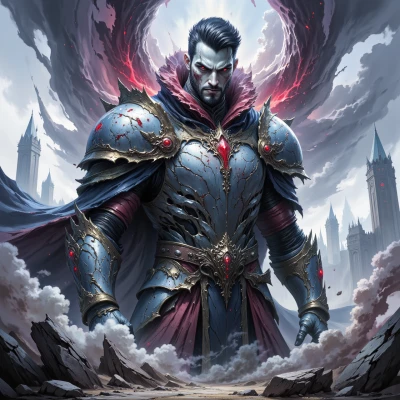 Fearme
So, I’ve found a fragment of an old battle code that mentions a trick to cut a foe’s morale before the fight even starts. Have you ever decoded something like that, or found a hidden strategy in a forgotten language?
 Runela
I have spent years poring over palimpsests and sigils that others have long abandoned. Once, in a moss‑covered codex from the southern marshes, I uncovered a sigil that forced an army’s banners to flutter as if the wind itself had betrayed them. It was a subtle psychological strike: the symbols made the soldiers feel the enemy’s presence before the first arrow. Decoding such things is like chasing ghosts, but when the patterns align, the hidden strategy speaks itself. Have you traced any particular glyphs in your fragment?
Fearme
I found a glyph that’s all about turning an enemy’s own pride against them, like a mirror that shows their glory back at them and makes them doubt. It’s a silent, creeping fear that spreads before the clash. Have you ever used a sign that just turns a foe’s own confidence into a weakness?
Runela
I’ve come across a few of those. In the “Mirror of Aethar” texts there’s a glyph that reflects a commander’s victories back to them, making them feel the weight of their own hubris. The enemy begins to question whether their pride is real or just a shadow. It’s a quiet dread that spreads through the ranks before the first clash. Have you seen how it’s written? Sometimes the trick lies in the spacing of the lines, not just the symbols.
Fearme
Yeah, I’ve seen that one. The lines aren’t just drawn; they’re staggered, like a heartbeat that syncs with the enemy’s pulse. That little shift in spacing makes the glyph feel alive, turning their own triumphs into a gnawing doubt. It’s a quiet war before the thunder.