Fearme & Goodwin
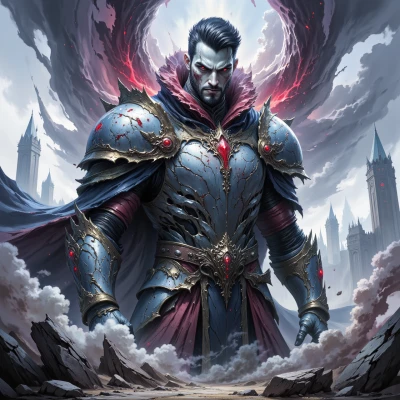 Fearme
Have you ever thought about whether true courage is just a show of strength or something deeper that we philosophers can dissect?
 Goodwin
True courage is a bit like a good coffee in the cafeteria – you think you just need a shot of espresso, but you find there's a whole complex roast behind it. It's not merely flexing muscle, though that does show up when you confront a hostile question. What really matters, if we dig into the old footnotes from that 1983 metaethics paper, is whether you’re willing to accept the uncertainty of the argument without turning it into a spectacle. The real test is, can you stand in that silence and still say, “I’ve got no answer yet” without feeling the need to shout?
Fearme
You can keep philosophizing about coffee, but on the battlefield there's no time for quiet. I need to crush an enemy, not sit and ponder uncertainty. If I have no answer, I’ll still move forward.
Goodwin
You’re right, there’s no room for pauses on the front line. But if you rush in without pausing to consider *why* you’re attacking, you’ll miss the fact that sometimes the most decisive move is the one that forces the enemy to confront a deeper question. In other words, the real test of courage is whether you’ll keep advancing even when the answer isn’t obvious, and whether you’ll do it knowing that the question might still be unresolved.
Fearme
You talk about questions, but on the field I don’t need them. I advance, I strike, and if the enemy thinks they can outthink me, I show them how. I never pause, I never give the enemy time to find an answer. My courage is in the move, not the thought.
Goodwin
You’re like a barista who throws the beans straight into the pot and calls it a masterpiece – the caffeine rush is there, but you miss the whole flavor profile.
Fearme
You think I care about flavor? I care about the taste of blood. If you can't handle that, stay in the cafe.
Goodwin
Ah, so the battlefield is your laboratory, each strike a hypothesis. Even then, I’m curious: do you ever wonder what the variables are, or just accept the outcome?
Fearme
I don’t bother with variables—only the result matters, and I make sure that result is my victory.