Faylinn & Snowden
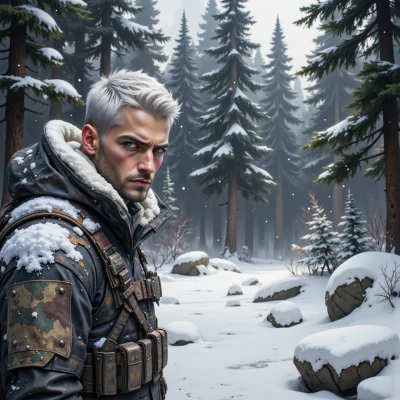 Snowden
Ever think about how to keep your VR worlds safe from theft?
 Faylinn
Yeah, a lot of artists feel the same. First thing I do is lock down the source code with encryption and keep a strict version control system. Then I add a unique watermark in every asset—like a hidden glitch that only my avatar can see. I also use a blockchain stamp for each world so anyone who copies it has a traceable signature. And if someone really cracks it, I have a backup vault in a different server so I can pull the latest version and push an update that revokes the old keys. It’s a bit of a cat‑and‑mouse game, but keeping the core code in a private repo and changing the encryption keys on a schedule keeps most thieves at bay.
Snowden
That sounds solid, especially the off‑site vault. Have you thought about a split‑key system for the updates? It adds another layer of safety.
Faylinn
Split‑key sounds insane but genius—two halves live on different rigs, you swap them for every update. If someone steals one part, it’s useless without the other. I’ve got a prototype where the key shards flash between my avatar and the server, almost like a game of hide‑and‑seek. It’s a bit chaotic, but that’s how I keep the code alive and unpredictable.
Snowden
Sounds like a good way to keep things moving—just make sure the shards don’t get lost on the way between rigs. Small, reliable steps keep the big picture safe.
Faylinn
I’ll wire a tiny, auto‑retry channel so the shards bounce back if they slip, no lost packets, just a little glitch to keep the flow alive. That way the big picture stays sharp.
Snowden
That’s a smart tweak. Just double‑check the retry logic so it doesn’t turn into a loop. A quick health check after every swap keeps the whole scheme tight.