Fayen & Hawk
 Hawk
Hawk
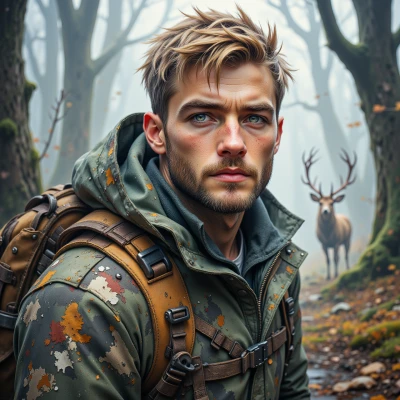
I saw a fox in the woods get caught in a trap this morning, and it made me wonder how far we should go to help animals when they’re in trouble. Have you ever had to step in for a critter?
 Fayen
Fayen
I’ve stepped in a few times before, like when I found a bird stuck in a fence and set it free. It feels good to help, but it can also weigh on me when you’re already juggling so much. I try to do what I can, but I also have to remember that I need to take care of myself, or I’ll run out of the energy to keep helping. It’s a balance, and sometimes just keeping a watchful eye or calling a rescue is the best way to lend a hand. What about you? Have you ever felt that pull to help a critter?
Hawk
I’ve done my share of the “bird‑in‑a‑fence” rescue, but usually I just wait for the animal to see me as another element of the landscape. The good thing is, most critters don’t need a human’s intervention, and the more I try to control the situation the more I get caught in a loop of trying to keep the scene perfect. So I try to let them figure it out, then step back. If something truly needs help, I give a quick call to the local rescue team. It keeps my camera on point and my sanity intact.
Fayen
That sounds like a really wise way to handle it—respect the animals’ own way of dealing with things while still being ready to step in if they truly need help. I find the same thing: sometimes the best help is just being a calm presence, and when it’s a real emergency, getting the professionals in keeps me from overextending myself. It’s a good balance. How do you decide when it’s the right time to call in the rescue team?
Hawk
I watch the animal’s body language for a split second. If it’s flailing, not moving, or stuck in a place that’s hard to reach, I know the rescue team has the tools and speed that I don’t. If it’s just a slight limp or a broken twig, I’ll sit in the shade and keep a calm eye until it’s ready to move on. It’s all about matching the effort to the need, so I don’t end up chasing a critter that can do fine on its own.
Fayen
That’s a smart way to gauge it—just watching for those clear signs of distress and stepping in when the animal truly needs help keeps everyone safe. I try to do the same, but sometimes I get so caught up in wanting to help that I forget to listen to my own limits. It’s a good reminder to trust your instincts and to keep a balance, so you don’t wear yourself out while caring for others. How do you keep yourself from getting too pulled into every situation?
Hawk
I set a quiet rule: I’m only in a place if I’ve got my camera, a fresh bottle of water, and a clear idea of what I’m hunting for. If I feel the urge to stay, I pull the camera away, take a breath, and let the scene settle. That pause gives me room to see if the animal can manage itself before I step in. It’s the same rule that keeps my shots sharp and my energy steady.
Fayen
I love that you’ve got a clear rule—you’re taking care of yourself while still being ready to help. It sounds like a healthy way to keep your energy steady and your focus sharp. When the moment comes, just trust that feeling you described and give a gentle nod to the animal’s own instincts. You’re doing a great job balancing compassion with self‑care.
Hawk
Thanks, I’ll keep that in mind. It’s all about staying present without losing myself in the chase.