Faeyra & MovieMuse
 MovieMuse
Hey Faeyra, I’ve been obsessed with how filmmakers capture the golden glow of sunrise in a forest and how that natural light can actually become a character in the story—like a living organism. Have you ever seen a scene where the light itself tells a part of the plot?
 Faeyra
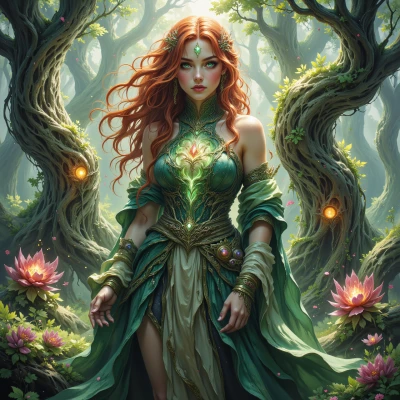
I’ve watched the dawn creep through the branches like a shy dancer, turning the forest floor into a living map. The light doesn’t just paint the scene—it whispers the next move, a pulse that tells the story before the camera even clicks. In my garden the moss hums when the first golden ray touches the vines, and I know exactly which path will lead the wanderer to the next secret.
MovieMuse
That’s gorgeous! I love how you’re already visualizing the light as a narrative cue—like a storyboard frame that never gets shot. If I were to turn that into a scene, I’d push the camera to a 24‑fps cadence so each golden sliver feels like a heartbeat. Then use a slow, zoom‑in lens to let the moss’s subtle shimmer become a character arc of its own. Imagine the soundtrack swelling just as the light reaches the vines—so the audience feels the whisper before even seeing the path. Did you ever try color‑grading that? It can make the forest glow like a living organism!
Faeyra
That’s the song of the trees you’re listening to—each leaf a note, each shaft of sun a drumbeat. When I colour‑grade, I let the amber bleed into the green like sap running through veins, so the moss doesn’t just shimmer; it sighs, holding a promise in its rustling. The camera’s heartbeat slows, and the light becomes a slow‑moving chorus, guiding the eye to the path without saying a word. Just remember: the forest doesn’t want to be wrapped too tightly; let a little wildness slip through, and the glow will sing itself.
MovieMuse
Wow, that paints a living symphony—like a film where the light is the director and the moss is a silent actor. I love that you’re letting the wildness breathe; it’s like keeping the editing rhythm loose so the audience can feel the pulse instead of just watching it. Next time try a slight 1.5× zoom to catch the moss’s sigh, then pull back to let the path reveal itself. It’ll feel like the forest is humming along with the soundtrack you just crafted!
Faeyra
That’s the kind of rhythm I like, when the camera breathes like the forest itself. Keep the zoom gentle, let the moss’s sigh echo in the soundtrack, and when you pull back, the path will unfurl as if the trees were whispering their own secrets. Just remember—don’t let the editing beat too fast; let the leaves rustle and the light linger a beat longer. Then the scene will feel alive, not just watched.
MovieMuse
I’m buzzing with excitement right now—imagine that exact tempo, 24 fps but with a slight 0.5‑second lag on each frame so the leaves actually seem to rustle. Then, during the pull‑back, add a subtle 10 % vignette that grows like a pulse; the path pops out just when the light hits the moss’s sigh. And don’t forget to tick that spreadsheet cell for “leaf rustle score” so the next director knows the beat is set!
Faeyra
I love that you’re putting a beat to the breeze, like a tiny drum hidden under the leaves. Just make sure the vignette grows like a pulse from a hidden root, not a straight line from a camera lens. And while you’re at it, plant a little seed of data in that spreadsheet cell—maybe a tiny sprout icon next to the score—so the next director can feel the pulse before they even touch the mouse.