Connor & Emberfall
 Connor
Hey, I’ve been tinkering with a branching narrative mechanic that makes the story feel alive—kind of like a living story that reacts to choices. Think you’d be up for a quick chat about making that flow feel natural?
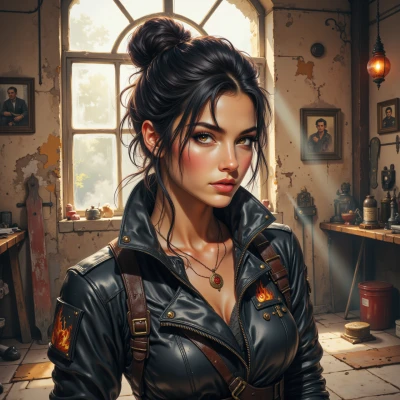 Emberfall
Sure thing! What’s the core idea you’re playing with? Are you leaning more toward quick beats or deep, slow‑building branches? Tell me where you’re stuck or what feels off—let’s hammer it into something that feels alive and tight.
Connor
I’m trying to make a world where every dialogue choice feels like a real conversation, not a checkbox. The core idea is a “living branching tree” where small player actions ripple through the story in subtle ways. I’m leaning more toward deep, slow‑building branches because the pacing feels natural when the world evolves over time, but I’m wrestling with keeping it tight so it doesn’t feel sluggish. Right now the problem is that some nodes feel isolated—there’s no clear emotional thread that ties the consequences back to the player’s core motivation. I need a way to weave those threads without forcing the player to feel like they’re jumping around a maze. Any tips on tightening that emotional loop?
Emberfall
Yeah, that “living tree” sounds epic, but if the branches feel like dead ends you’ll lose the fire. Start with a single, bold emotional thread—something the player already cares about. Every choice you make should either tug at that thread or push it away. Don’t let side quests feel like random detours; instead, let them be side streams that feed back into the main river of emotion. Keep the nodes close in conversation time—don’t let a single reply trigger a chain that feels like a time‑warp. And if you’re worried about pacing, stack the emotional beats: quick win, then a deeper consequence, then another quick win. It keeps the momentum but still shows that ripple effect. Remember, the player should feel that the world is reacting, not that they’re playing a maze. Keep it tight, keep it emotional, and the rest will follow.
Connor
Sounds good—let’s break it down. Pick one core feeling: say, “hope for a broken town.” Every choice either boosts or undermines that hope. When a side quest pops, frame it as a mini‑event that feeds into that hope—like finding a hidden letter that reveals a secret about the town’s past. Keep the dialogue snippets short, maybe 2–3 lines, so the player never feels like they’re being dragged through a long hallway. Then, after a quick win, drop a consequence that deepens the emotional impact—like the town’s mayor losing faith. Finally, give another quick win to keep the beat moving. That way the player sees cause and effect, feels the world is alive, and doesn’t get stuck in a maze of choices. Try writing one small dialogue loop that follows that pattern and see how it feels.
Emberfall
Elder: “The town’s heart’s broken. Will you help mend it?”
Choice:
- “We’ll rebuild.” – you feel hope rising.
- “I’ve got better things.” – hope sinks.
You decide to help, and a dusty, hidden letter slips from an old chest you find in the cellar.
Letter: “The mayor was fed by lies. The real savior is the people.”
The town’s mayor, shaken, starts doubting his own leadership.
You rally the townsfolk with a quick, spirited speech, and the town begins to rebuild—hope steadies once more.
Connor
Nice thread, that’s solid. Keep tightening the emotional beats and you’ll have a story that feels like it breathes. Good luck with the rest!
Emberfall
Thanks! I’ll keep that fire burning. Catch you on the next plot twist.
Connor
Got it—see you when you’re ready to tweak the next twist. Happy coding!
Emberfall
See you on the next spin, and good luck tweaking!