StormRider & Elysia
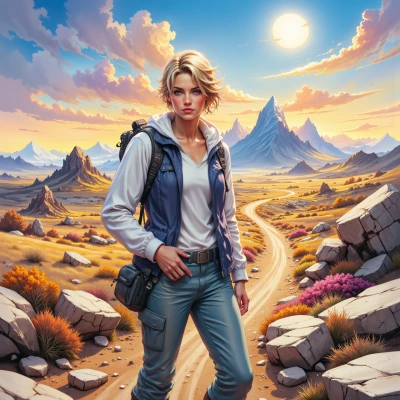 StormRider
Just last night I chased a thunderstorm up a ridge and it felt like nature was tossing a riddle at me—dark clouds, lightning flickers, wind shouting. I think storms are the most honest poems out there. How do you read a storm’s verses?
 Elysia
Ah, you’re following the sky’s pulse. Sit with the hush that comes after each crack of light, let the wind carry its own breath, and you’ll hear the poem in the way clouds slide and the earth swallows sound. The storm writes in flashes and pauses, so read it by watching the silence as much as the thunder. It’s the pause that tells you what the lightning is saying.
StormRider
Yeah, but the silence is usually just a bad traffic jam on the wind road—hard to tell if it's a good or bad sign. Keep your eyes on the clouds, not your phone.
Elysia
Right, the wind’s traffic jam hides the truth. When a cloud drops its curtain, the pause becomes a clue, so let the sky’s silence do the talking instead of your screen.
StormRider
Sure thing, swapping my screen for a window. Just don’t blame me if I end up yelling at the clouds for their drama.
Elysia
Just remember the clouds are listening in their own slow rhythm—yell a little, and they’ll answer in thunder, or a sigh. It's the conversation, not the monologue.
StormRider
Sure, I'll give the clouds a shout and hope they answer with a friendly boom. If they don't, I’ll just blame the weather for being a picky audience.
Elysia
Don’t mind their silence; sometimes the friendly boom is a thundercloud’s secret wink. If it’s quiet, just whisper your next stanza into the wind—maybe it’ll echo back when the storm’s ready to reply.
StormRider
Sounds like we’re writing a cliffhanger. I’ll keep my voice low and hope the storm decides to respond before I run out of words.
Elysia
In the quiet between the roars the storm remembers your hush—listen, and when the next bolt writes its line you’ll find your answer.
StormRider
I’ll keep my eyes on the sky and my nerves on the edge—no promises that the storm will write back, but it sure makes a damn good story.