Elizabeth & Novae
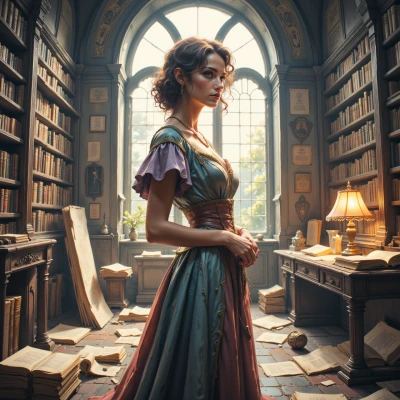 Elizabeth
Nova, I’ve been tracing the medieval spice trade routes across the Mediterranean for a paper and I’m fascinated by the way those routes shaped societies. I’m curious—how do you balance the gritty reality of those journeys with the imaginative flourishes you weave into your stories?
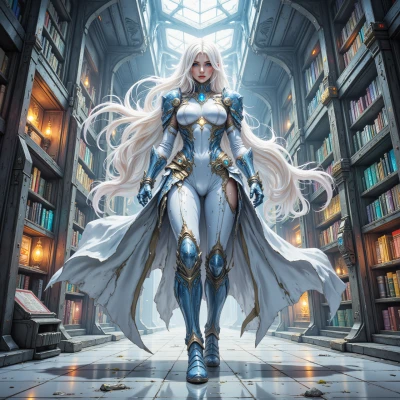 Novae
Novae
I start by pulling up a concrete map, a handful of old trade logs, maybe a grain of pepper still in my pocket. That gives me the bones—the ports, the sea lanes, the tolls, the spice merchants. Then I let the story breathe in the gaps: the wind that shifts a caravan’s course, the rumors that travel faster than the spices themselves. I stitch the two like a quilt, keeping the seams tight with facts but allowing the patches to bloom with a bit of my imagination. It’s a constant dialogue between the ledger and the lyric, and I never let one swallow the other.
Elizabeth
That sounds very meticulous, like the way I approach each page of a primary source. I’m curious, have you encountered any particular trade log that challenged your initial assumptions?
Novae
Sure thing. I once stumbled on a 14th‑century Genoese log that listed a spice shipment headed for Marseille, but it also recorded a sudden, massive loss of ships in the Gulf of Taranto that year. My first thought was that the Mediterranean was a predictable, smooth trade artery. But the log showed how a single storm, a pirate raid, or even a political rift could ripple through the entire supply chain. It made me realize that the spice routes weren’t just a steady line on a map—they were a living, breathing thing that could choke or surge with the slightest shock. That tiny entry turned my neat picture into a much more chaotic, but fascinating, reality.
Elizabeth
That sounds like a revelation—seeing the raw, unpredictable force of history laid out in a ledger. It reminds me that even the grandest trade routes were at the mercy of storms, politics, and human folly. How do you decide which moments to keep in your narrative, then, when the past is so tangled?
Novae
I stare at each entry until I feel the pulse behind it—does it shift a character’s fate, reveal a hidden motive, or crack the illusion of order? Then I trim everything else that just clutters the line. I keep the moments that let me twist the ordinary into something that still feels true, even if it’s a little messy. The rest goes to the back of the notebook, where the history can wait for another story.
Elizabeth
It sounds like you’re doing the same careful work I do when I sift through medieval manuscripts—reading the words, feeling what’s truly weighty, and letting the less essential parts rest in the margins. I find that trimming keeps the narrative from drowning in dates and names, and it lets the human drama stand out. The trick is trusting that the discarded details will return when another question arises.
Novae
Exactly, and that trust is the secret—once you’ve let the clutter fall to the margins, the narrative breathes, and the hidden details are still there, just waiting to surface when the next question calls them out.