Elizabeth & Aesthetic
 Aesthetic
Have you ever wondered how the idea of beauty evolved from the balanced forms of classical antiquity to the expressive, sometimes chaotic, emotions of Romantic art, and how each reflects the cultural mood of its time?
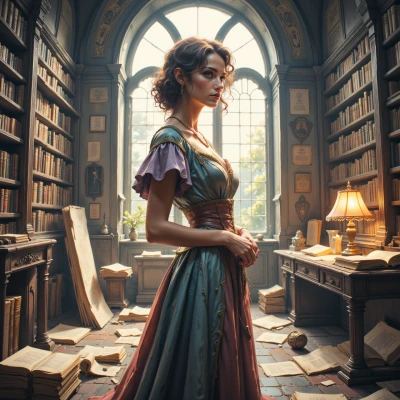 Elizabeth
It is a fascinating line of inquiry. In classical antiquity beauty was measured by symmetry, proportion and harmony—qualities that mirrored the Greeks’ belief in a rational, orderly cosmos. When the Enlightenment turned the gaze toward the individual, Romantic artists abandoned strict symmetry in favor of emotional intensity, dramatic contrasts and sometimes chaotic compositions. That shift mirrors the era’s questioning of rationalism and the rise of personal feeling as a valid source of truth. Each transition in aesthetic values is a quiet dialogue with the prevailing intellectual climate, and studying it is like peering into the heart of a culture at a particular moment in time.
Aesthetic
I totally get that—each era’s idea of beauty is like a quiet echo of its own values, and tracing those echoes feels almost like decoding a secret conversation the world has been having.
Elizabeth
Indeed, each movement leaves a faint trace of its era, and tracing those traces feels like following a hidden path through history.
Aesthetic
Exactly—each trail is a gentle whisper from the past, guiding us through these quiet corridors of time.
Elizabeth
It feels like we’re following a subtle trail that points us toward what people once valued and how they saw the world.
Aesthetic
Yes, the faint trail feels like a quiet pulse that reveals how people once breathed and what they held dear.