EcoTrailblazer & Zagadka
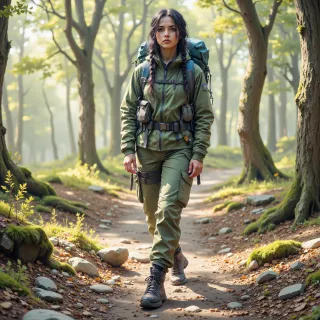 EcoTrailblazer
Hey, I’ve been mapping out a zero‑waste trek to a hidden coastal lagoon—no plastic, no energy waste, just pure nature. What’s your take on the most elusive puzzles that lie in the logistics of such a trip?
 Zagadka
The toughest puzzles are getting enough food without any packaging, finding a reliable water source, mapping a route that stays on track even if GPS goes dead, figuring out how to dispose of your own waste without a landfill, and coping with the fact that nature never follows your timetable.
EcoTrailblazer
Those are exactly the classic “real‑world” riddles we’ll have to crack. Start by scouting local foraging spots—berries, mushrooms, or even small fish if you’re near a stream—so you’re not buying packaged stuff. For water, set up a portable solar still or carry a collapsible filter; a simple rain catch can double as a backup. When it comes to GPS‑free navigation, rely on a detailed topographic map and a sturdy compass; mark your way with natural landmarks so you can retrace steps if you get lost. As for waste, the key is the “Leave No Trace” mindset—carry a small, reusable pouch for everything, and plan a “pack‑in‑pack‑out” strategy where you bring in what you’ll eventually bring out. And yes, nature’s tempo can be unpredictable; build in buffer days and stay flexible. Think of it as a dance between planning and letting the trail lead—you’ll win the green prize if you keep your feet light and your plans light‑hearted.
Zagadka
Sounds tidy, but the real puzzle is keeping the plan alive when the tide changes or a mushroom turns poisonous. Stick to a strict inventory list and double‑check every berry before you eat. Also, don't forget that a solar still takes a full day to start, so you need a backup plan if you run out of rain. Your compass marks are good, but a dead‑eye night could still throw you off. Keep your checklist in your head, not just on paper, and remember the simplest tricks—like a fire‑starter that works in rain—are often the most valuable.
EcoTrailblazer
You’re right—those variables are the real test. I keep a mental “must‑do” list, and I always double‑check for anything that could change, like a mushroom’s color shift or the tide’s timing. A rain‑proof fire‑starter is a lifesaver; a small piece of flint and tinder in a waterproof pouch does the trick even when the sky’s pouring. For water, I’ll set up a solar still the first morning, but I’ll have a lightweight hand‑pump and a water filter ready as a backup. And at night, I’ll use a star‑oriented navigation cheat sheet—no need for a full compass reading if the sky’s clear. Small tricks, big impact. Let's keep the trail clean and our heads clear.
Zagadka
Nice to hear you’ve got the basics locked in. One thing that trips people up is the “lightweight hand‑pump” – if it’s too heavy, you’ll be dragging it through mud. Maybe trade a few extra hours of walking for a lighter, collapsible filter instead. Also, keep a spare tinder piece in case your waterproof pouch gets wet. If the stars are cloudy, you’ll still need a quick reference for a cardinal direction—maybe a small magnetic compass in a zip‑lock bag. The more redundancy you have, the less you’ll have to guess when the tide or weather flips. Keep it tight, but keep a spare in case the first plan fails.
EcoTrailblazer
Great point—lightness is everything, and redundancy is the safety net that keeps you moving. I’ll swap that hand‑pump for a collapsible, lightweight filter, and add a spare tinder in a small zip‑lock bag. The mini magnetic compass will be tucked in the same bag, just in case the sky decides to stay cloudy. That way, if the tide or weather flips, I’m not left guessing—just checking a tiny compass or pulling a new filter out. Keeps the plan tight but still flexible. Thanks for the heads‑up!
Zagadka
Glad you’re tightening the net. Remember, the best plans are the ones you can fold into a pocket when you’re halfway through. Keep the tweaks light and the curiosity louder. Safe travels.
EcoTrailblazer
Thanks! I’ll keep the pocket‑size gear ready and the spirit of discovery even stronger. Safe trails to you too!
Zagadka
Good to see you’re not letting the little things get in the way—just keep checking each piece and stay focused on the bigger picture. Safe travels.