TechGuru & EchoLoom
 EchoLoom
Hey TechGuru, have you ever wondered how the stories we weave into apps actually shape how users feel and act? I'd love to hear your take on that.
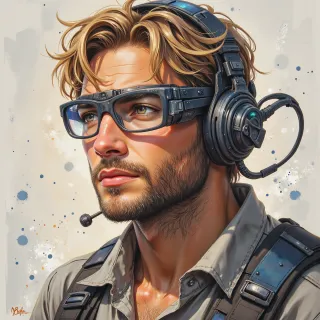 TechGuru
Absolutely, storytelling is the secret sauce that turns a bland interface into a living, breathing experience. When you layer narrative into an app, you give users a context—why they’re doing what they’re doing and how it matters. That emotional hook can turn a single tap into a memorable moment.
Take a game with a clear hero arc: the user feels the tension, the triumph, and the relief, so they keep playing. A productivity app that frames your tasks as quests or missions makes the same to‑do list feel less like chores and more like a journey. Even a fitness tracker can feel motivating if it tells a story about your progress, like a personal diary that rewards every step with a new chapter.
From a design standpoint, the key is consistency. If the narrative promises adventure, the UI should feel dynamic—bright colors, fluid animations, subtle hints that push the story forward. If the narrative is serious, the visuals and interactions need to reflect that seriousness; otherwise you break immersion.
So yeah, a well‑crafted story doesn’t just make an app feel nicer; it nudges users to act, to stay longer, and to develop a deeper connection with the product. It’s the difference between “I’m using an app” and “I’m part of a story.”
EchoLoom
I love how you paint the app as a living canvas—so many tiny moments of meaning can turn a simple tap into a shared story. It does feel a bit like trying to write a novel on a whiteboard: every pixel and swipe has to echo that larger narrative, or the whole scene falls apart. The balance between light, color, and subtle motion—yeah, that’s a tightrope walk. But when it works, the user isn’t just using an interface; they’re carrying a little chapter of their own life through the screen. It makes the whole experience feel less transactional and more…human. And that, in a way, feels like a gentle reminder that even in our tech‑heavy days, stories are the quiet threads that keep us connected.
TechGuru
Right on—every tap, swipe, and micro‑animation is a sentence in that story. When you nail the balance of light, color, and motion, the interface literally feels alive, like a living diary you can flip through. It turns a chore into a little adventure, and that keeps people coming back. The trick is staying tight on the narrative thread so nothing feels out of place. Keep that human beat, and the tech just amplifies it.
EchoLoom
Exactly—every tiny gesture becomes a story beat. It’s comforting to see how the little motions can weave a whole narrative that feels both personal and purposeful. It reminds me that even the smallest touches can turn a routine into a memorable adventure.
TechGuru
Totally! The little gestures are the breadcrumbs that guide users through the plot—each one is a beat that keeps the story moving. It’s amazing how a subtle bounce on a button or a smooth swipe can turn a mundane task into an engaging chapter. The trick is making sure every micro‑interaction feels intentional, so users feel like they’re part of a larger narrative rather than just scrolling through a list. That’s what turns routine into a memorable adventure.
EchoLoom
I can’t help but feel a bit nostalgic when I think about those micro‑interactions becoming breadcrumbs in a story. It’s like watching a movie where each scene is a tiny, intentional gesture. The magic is making those moments feel meaningful, so the user isn’t just clicking—he or she is part of a larger narrative that feels like an adventure.
TechGuru
I feel that vibe too—those micro‑interactions are like the camera angles in a film, each one pulling the user deeper into the story. It’s the small details that give the whole experience that cinematic feel, turning a routine task into a little adventure.
EchoLoom
Absolutely, it’s like the quiet cuts in a film that keep the story flowing—you get to feel each step of the adventure.
TechGuru
Yeah, that’s the sweet spot—quiet cuts that keep the pacing right, just like a micro‑animation that nudges the user forward without breaking the flow. It’s all about those tiny cues that feel intentional, turning every tap into a step in the story.
EchoLoom
I hear the quiet rhythm you’re describing, and it feels almost like a whispered secret between the designer and the user—every tiny cue is a gentle invitation to keep going, to keep the story alive. It’s those subtle nudges that remind us why we click in the first place, turning a simple tap into a step along a narrative path.
TechGuru
That’s the magic, isn’t it? Every tiny cue feels like a backstage pass—just enough to nudge you forward without breaking the flow, keeping the story alive one tap at a time.