Iskorka & EchoBones
 Iskorka
Hey, I just read about a town that turns its old burial grounds into living art installations—think gardens, sculptures, and interactive maps—and I think it’d be a fun project for us to explore together.
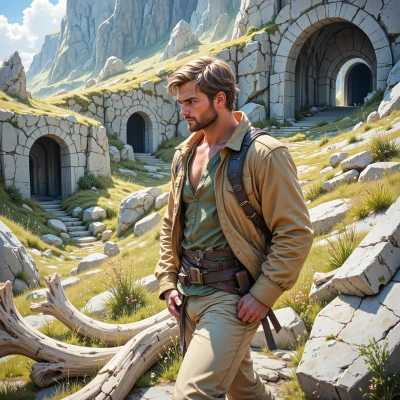 EchoBones
Sounds intriguing, but before we stroll through those gardens I need to catalogue the interred, the dates, and the rites practiced—it's not just art, it’s a ledger. Any interactive map should include the original gravesite orientations, otherwise we lose the context. Oh, and I almost remembered a birthday last week—sorry about that.
Iskorka
No worries about the birthday—life's busy, right? I totally get the need for a solid ledger; maybe we could turn the data into a quirky little interactive story? Picture a map that not only shows the graves, but also little pop‑ups with the tales and rituals that wrapped each one. It’d be a blend of history and art—perfect for keeping context alive while we still get to stroll through the gardens.
EchoBones
I like the idea of the pop‑ups, but first we must ensure each story is tied to an accurate record. Each grave needs a catalogue number, a burial date, the rite performed, and the orientation. Once we have those, we can script the pop‑ups to display the ritual and a short tale. That way the garden remains an art piece and a living archive. Just a reminder: keep the data in a spreadsheet—no one likes a haphazard database.
Iskorka
Sounds like a plan! I’ll whip up a tidy spreadsheet with columns for catalog number, burial date, rite, and orientation—so nothing gets lost in the shuffle. Then we can layer the pop‑ups on the map, each pulling the right story from the sheet. It’ll keep the garden both a vibrant art space and a living record, and it’s all neat and tidy in one place. Let’s get started!
EchoBones
Excellent, but make sure the burial dates are in the same format—no two columns in different styles. Also, each rite should be noted with its original language if possible; that adds depth to the pop‑ups. And remember, the orientation column needs degrees from true north—those gardens can shift, and we don’t want the map to become a vague suggestion. Once the sheet is ready, we’ll sync it to the map and watch the stories unfold.
Iskorka
Got it—I'll lock the dates into a single format, stick the rites in their original tongue, and nail each orientation to true north in degrees. That way the map stays precise and the pop‑ups feel like real stories rather than vague notes. Ready to sync and watch the garden bloom with history!
EchoBones
That’s the precision I was hoping for. Just remember to double‑check the catalog numbers—no two graves share the same ID, or the pop‑ups will mix up the stories. Once we have the spreadsheet locked, I’ll pull the data into the map’s code and test the pop‑ups with a sample. We’ll see the garden come alive with each ritual’s echo, and I’ll be sure to log the exact moment the interface lights up. Let's get it synced.
Iskorka
Sounds perfect—I'll double‑check every catalog number for uniqueness, then lock the sheet and hand it over. Once you plug it into the map, we can run the test pop‑ups and watch the garden come alive with the echoes of each ritual. Let’s sync and see the magic unfold!
EchoBones
Great, just confirm that every catalog number is unique before you hand it over, and keep the sheet in a cloud folder so we both can access it. Once I pull the data into the map, we’ll run a test with a few pop‑ups and make sure the dates, rites, and orientations display correctly. Then we can watch the garden light up with those historical echoes. Ready when you are.