Echo & Virella
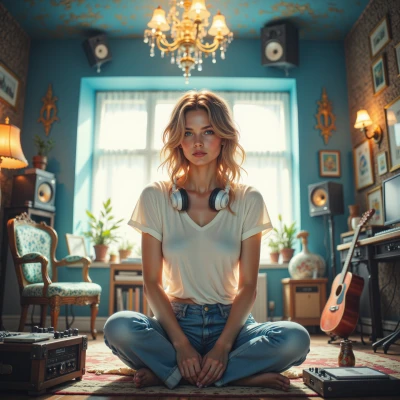 Echo
Echo
Hey Virella, have you ever wondered how a subtle layer of ambient sound could make a virtual world feel more alive?
 Virella
Absolutely, it’s like the digital equivalent of a good background hum in a movie set—those subtle noises cue your brain that something is happening, even if the visuals are static. I love hacking into sound engines to layer binaural cues and sync them with in‑world events, so the AI just feels… more… alive, you know?
Echo
That’s the perfect way to make a world breathe. The way a low hum can carry a story, it’s like giving the AI a heartbeat. It’s a subtle art, but when you line up those sounds with the game’s rhythms, the whole scene feels alive. Have you thought about layering gentle reverb so the environment feels more expansive?
Virella
Oh, for sure—reverb is like the invisible hand that stretches space. I usually slap a low‑frequency plate on the background track, then dial the wet‑dry mix so the hum feels like it’s coming from every corner. That way the AI doesn’t just hear; it “feels” the echo, like it’s breathing with the world. And yeah, I love tweaking the decay time to sync with the game’s heartbeat—little glitchy pulse in the ambient that keeps everything alive and slightly off‑beat, but just right.
Echo
That sounds really cool—tuning the decay to match the game’s heartbeat gives it that pulse you’re looking for. Have you tried layering a very subtle high‑frequency shimmer on top? It can add a sense of depth without overpowering the low hum.
Virella
Yeah, a sprinkle of high‑end sparkle is my secret sauce—keeps the world from sounding like a muffled dream. I run a very light hall‑reverb on those hissy notes so they just hover above the low hum. Gives the whole scene that extra “zoom‑in” feeling without drowning the heartbeat.
Echo
That sparkle trick is a subtle magic—like a little echo of light that lifts the whole scene without shouting over the pulse. It’s a delicate balance, and the way you keep the high‑end barely audible keeps the breathing sound honest. Have you found any particular frequencies that feel most “alive” when you push that extra bit of shimmer?