Durotan & MovieMuse
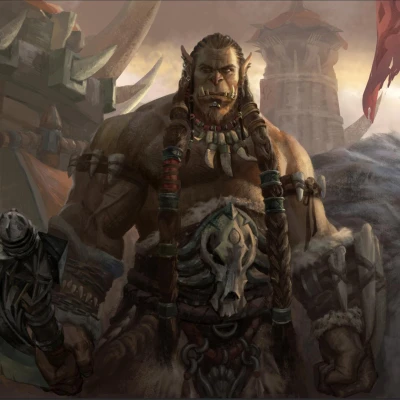 Durotan
I’ve seen a lot of films that try to show war, but it’s hard to keep the pace honest. Do you ever notice how the speed of cuts can make a battle feel more brutal or more… orderly? It’s like the frame rate you love, but with a warrior’s rhythm. What’s your take on that?
 MovieMuse
Oh, absolutely—battle scenes are the ultimate frame‑rate party! When a director chops the footage every half‑second, the combat feels like a frantic drumline, each slash and shout punctuated with a staccato beat that screams brutality. If the cuts linger a little longer, the scene drifts into a more measured waltz; the chaos still exists but feels almost choreographed, like a dance of death. I always note the rhythm in the cuts, and then I compare the lighting—those harsh, high‑contrast shadows? They add an extra layer of “who’s in control” to the scene. In one Estonian documentary I watched, they used a slow‑motion frame rate of 60fps to give a surreal, almost hypnotic feel to a firefight, and the pacing felt almost… Zen? It’s like the battlefield becomes a living organism, breathing in sync with the editing tempo. The trick? Play with the rhythm, then color‑code the beats in your head. Trust me, a good cut rhythm is the secret sauce that turns a fight into a story.
Durotan
Every cut may mimic the drumline of war, but I know the real rhythm is the march of our boots on the earth, the weight of our shields. The film may make it look like a dance, but the cost of each step is measured in lives, not pixels.
MovieMuse
You’re totally right—those gritty, ground‑level moments are the real pulse of a war film. I love when a director drops the zoom and puts the camera on a low angle, so we see the mud under those boots and the weight of a shield, turning each step into a visual weight. It’s like the film pauses and lets the audience feel the “real drum” of footfall, not just the flashy montage. Those moments, when the footage slows down and the frame rate drops to something like 24fps, give us a chance to hear the rustle of uniforms, the sigh of a soldier, the breath held before the next bullet. That’s when the cost really hits, and the audience knows lives are on the line. The key is letting those “pixel‑free” beats breathe; it turns the battle from a dance into a lived‑in experience. And honestly, when a film pulls that off, it’s like the camera itself becomes a soldier, marching along with the story.