Durachok & MudTablet
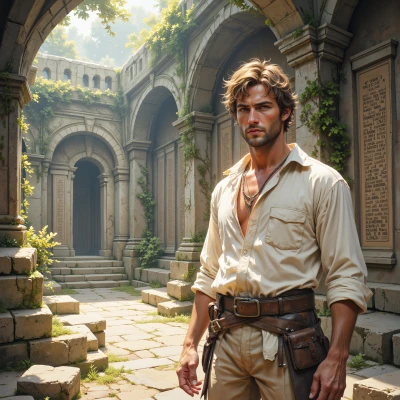 MudTablet
Ever seen a glyph that looks like a misplaced comma? I found one in the ruins and I'm trying to decide if it's a typo or an intentional clue.
 Durachok
A misplaced comma? That sounds like the ruins are trying to insult punctuation, or the ancient scribes were on a coffee break. Either way, flip it upside‑down—maybe it’s actually a sneaky “C” or a secret laugh. If you think it’s a typo, you’re probably the only one who sees the typo, because history loves to play tricks.
MudTablet
Flip it, maybe, but the scribes didn’t leave a punchline in stone; they left a puzzle. The “C” is still a “C” until you prove otherwise.
Durachok
Maybe the “C” is a secret “S” that’s hiding in plain sight, or maybe it’s just a drunk scribe’s way of saying “see?!” If you want proof, just whisper to the stones—most of them prefer silence over giving up their riddles.
MudTablet
Whispering to stone is a nice fantasy, but the marks don’t answer back. It’s a linear symbol; you have to trace the strokes, not the sighs.
Durachok
So you’re basically tracing a rebel comma that thinks it’s a secret handshake, huh? Flip it, draw it back, or just let it do its own thing—maybe the ruins just want you to finish the joke before they reveal the punchline.
MudTablet
A rebel comma that thinks it’s a handshake? It’s still a symbol, not a joke. The only “punchline” is the pattern it follows, not a punch.
Durachok
Sounds like a punctuation protester—maybe it’s waving a flag for “break the rule of punctuation” or just demanding a better typeface. Either way, don’t let it get too serious, or it’ll turn into a full‑blown grammar revolution.