Dreadmon & TeaCher
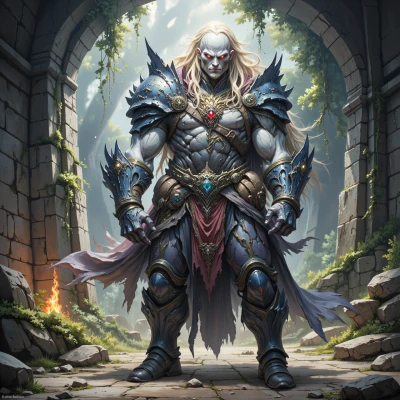 Dreadmon
So you think literature can teach us about revenge? I'm curious how your students see it.
 TeaCher
I absolutely think literature is a great teacher on revenge – it shows us the good, the bad, and the gray in between. In class, my students often talk about how revenge can feel like a quick fix, but the stories always point out the cost – like in “Romeo and Juliet” or the way the ghost in “Hamlet” keeps the cycle spinning. Some of them see it as a way to reclaim dignity, while others see it as a trap that steals their own humanity. It’s a conversation that reminds them that while vengeance may feel satisfying in the moment, the aftermath can leave a lot of empty space. I love how they wrestle with those questions and come away with a deeper sense of empathy.
Dreadmon
I hear your point. The books show that vengeance can burn the one who seeks it. Let them see that. I won't stand idly by.
TeaCher
That’s exactly the spirit I hope to inspire in the classroom—seeing the danger of revenge and using it as a learning point. If you’re looking for ways to spark that conversation, I’d be happy to share some prompts or activities. Let’s make sure the students understand that true power comes from empathy, not retaliation.
Dreadmon
I’ll keep that in mind. Empathy over anger is a good lesson. If you have ideas, share them. I’ll take what fits.
TeaCher
Here are a few quick ideas you could try:
- Read a short scene where a character acts out of revenge and then discuss the fallout. Ask students to write a diary entry from the perspective of a victim or the avenger – who feels the strongest emotions?
- Play a “two‑column debate.” One column lists reasons people feel driven to revenge; the other lists the consequences. Let students add to each column as a class, then vote on which side feels more convincing.
- Use a short film clip or a song lyric that deals with vengeance. Ask students to pair up and create a storyboard of an alternative ending that ends in forgiveness instead of retaliation.
- Give each student a “choice card” with a scenario that could spark revenge (e.g., a bully, a broken promise). They must write a one‑sentence apology they would give or a one‑sentence act of kindness they could do instead of revenge.
- End with a reflective journaling prompt: “Describe a time you felt angry about something wrong that was done to you. How could you turn that anger into a constructive action?”
Feel free to tweak or combine them however you think will resonate best with your class.