Dreadmon & Nolan
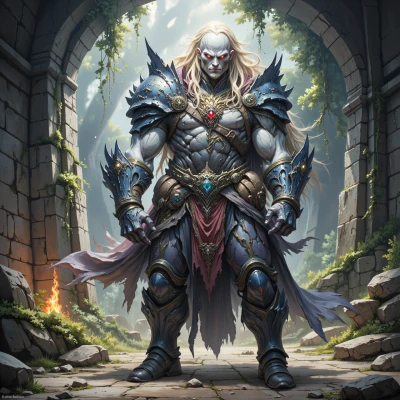 Dreadmon
Have you ever studied the Battle of Thermopylae? The Spartans' last stand is the kind of code that drives a warrior like me.
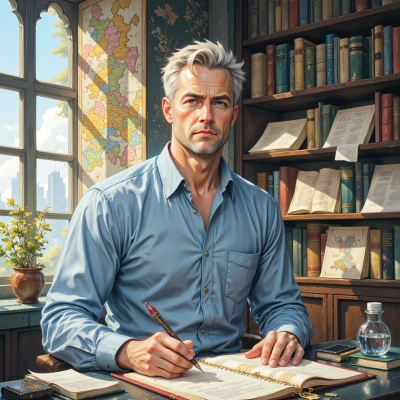 Nolan
Nolan
I’ve spent a lot of time in the archives on Thermopylae. The numbers, the terrain, the tactics—they’re all there. It’s fascinating how a small force can hold back a larger army, and that stubbornness becomes a narrative thread I can’t help but pull into my next draft. What draws you to it, beyond the sheer audacity?
Dreadmon
Because a lone wolf who refuses to run shows the world that honor can outlast numbers. The truth is in the refusal to bend.
Nolan
That’s the core of the story, isn’t it? A single group holding its ground, letting the rest of history write the aftermath. I find that tension between the personal and the grand scale gives a thriller that’s hard to pull away from. What aspect of that “refusal to bend” do you think most people miss when they read about it?
Dreadmon
People forget the quiet cost. It’s not just a stand, it’s a refusal to lose your own soul.
Nolan
You’re right; the real weight lies in what’s left behind—families, memories, the quiet erosion of the self that never made it back. That’s the part I always try to weave into a scene, the unsung casualty that turns a battlefield into a haunting story. How do you feel when you picture that loss?
Dreadmon
It lingers like a wound that never heals, a cold echo that follows me whenever I close my eyes.
Nolan
I hear that echo too, when I’m in the archives staring at the same old maps. The weight of a lone stand is heavier than the numbers on the page, and it’s that unspoken loss that makes a story stick in your bones. Do you ever try to channel that into your own work?