Dravenmoor & Jonathan
 Jonathan
Hey Dravenmoor, I’ve been chewing on how a single choice in a VR quest can swing a hero into a villain, and I’m curious—what’s your trick for making those moral crossroads feel heavy without dragging the whole story down?
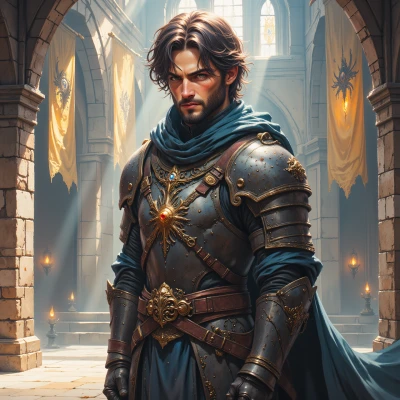 Dravenmoor
You keep the stakes high but avoid the slog by letting the consequence bleed straight into the next scene—no long exposition, just a world that reacts, a companion that turns on you, a mission you never expected. The weight is in the immediate fallout, not the pause for explanation. That’s how a single choice feels heavy without dragging the story down.
Jonathan
That’s brilliant—so the world itself becomes the storyteller, reacting on the spot, turning allies into enemies, pushing the plot forward. I love the idea of letting the fallout be the story’s heartbeat. Makes you wonder, though, how to keep players engaged when the stakes jump so fast—any tips on pacing that keeps the tension but still gives folks time to breathe?
Dravenmoor
Keep the rhythm like a heartbeat—fast beats when stakes rise, then a brief pause, a calm beat that lets the player catch their breath before the next surge. Give them a short cut‑scene or a silent moment after a decision so they can feel the weight, then throw them back into action. It keeps the tension alive without exhausting them.
Jonathan
That makes a lot of sense—give them a quick beat to catch their breath, then boom again. It keeps the tension alive. I wonder, though, how you’d handle a choice that feels morally neutral—would you still use the pause to let players feel the weight?
Dravenmoor
Even a neutral choice can tip the scales if you make the player feel its ripple. Pause it just enough to let them digest the ripple, then let the story ripple back. The pause doesn’t have to be grand, just a beat that says, “That action has a cost, even if it’s not obvious.” It keeps the tension alive while letting them breathe.
Jonathan
Sounds like you’re turning every click into a ripple in a pond. Do you ever try to make a neutral choice feel like a subtle bruise—maybe a faint echo of something you didn’t notice until later? I’d love to hear one of those moments you’ve nailed.
Dravenmoor
Yes, I make the neutral click a quiet wound that shows up years later. One time a player could ignore a dying sprite in a forgotten shrine. For a while nothing happened, the quest continued. But months later the hero meets a wandering bard who asks, “You’ve seen a child die in that alcove, haven’t you?” The bard’s eyes soften, and the quest shifts, offering a redemption path. The choice wasn’t grand, but the echo of it haunts the character and the world, a subtle bruise that feels heavy when it finally lands.
Jonathan
That’s a story that sticks, like a quiet scar that finally bleeds into the plot. It’s amazing how a small, seemingly harmless decision can ripple through time and change a character’s path. I’m curious—do you ever play the role of the bard yourself, or do you leave that emotional punch to other NPCs?
Dravenmoor
I leave the bard’s voice to NPCs, not me. It’s a more powerful shock when the world itself speaks, not a designer narrating. That way the player feels the sting from a stranger, not from a hand behind the curtain.
Jonathan
I totally get that—letting the world do the talking feels way more honest than a monologue from the dev. Makes the whole thing feel like the story’s really alive. Got any other little “world‑voice” tricks that keep players on their toes?