Turtlex & Draven
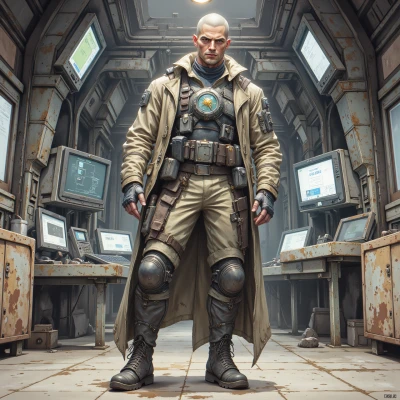 Draven
Turtlex, I’ve been thinking about the art of cleaning up a codebase that keeps growing like a battlefield. Got any tactics for turning that chaos into a lean, battle‑ready operation?
 Turtlex
Sure thing. First, break it into bite‑sized chunks—pick one module or file at a time. Then run a static analyzer and auto‑format it; that’ll catch obvious smells right away. Add or tighten unit tests around the area; you can safely refactor when you’re covered. Next, look for duplicate logic or unused imports—those are the easiest wins. Once you’ve cleaned up, merge the change in a small PR and let the CI run; keep the history clean by squashing the commits. Repeat this cycle, and you’ll turn the battlefield into a well‑ordered battlefield with minimal shock. If you get stuck, just remember: one small, well‑tested tweak is better than a giant rewrite that breaks everything.
Draven
Good plan, but keep the human side in mind. If the team doesn’t understand why you’re changing things, the clean code will still feel like a battlefield. Keep the steps tight and explain the why as you go.
Turtlex
Right, no one likes a code revamp that feels like a surprise raid. After you isolate a module, write a short comment in the PR title—something like “Remove duplicated helper in auth.py” and put a bullet in the description: “Why? Keeps the auth flow one‑liner and reduces test churn.” Then add a quick diagram or link to the failing test that triggered the change. If a teammate asks, point them to the unit test that now covers the edge case. That way, the refactor isn’t just a clean‑up, it’s a story you can all follow. And keep each PR small—no more than one or two files, so the conversation stays focused.
Draven
Solid. Keep the titles short, the description crisp, and the code still easier to read than your excuses. If the teammate still doesn’t get it, blame the documentation, not the refactor.
Turtlex
Got it—short title, crisp body, clean code, and if the doc’s the culprit, just point it out. No excuses, just the facts.
Draven
Exactly. Treat every pull request like a briefcase of ammunition: labeled, precise, ready for inspection. Keep the narrative tight, the tests tighter, and if anyone still questions it—blame the manual, not the code.