Nadejda & Draven
 Nadejda
I’ve noticed that in chaotic situations people often turn to routines or rituals. I’m curious—what’s your take on why that happens?
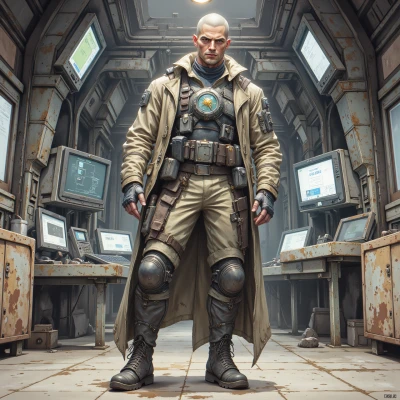 Draven
People in a mess need a shortcut to sanity. A routine cuts the noise, tells your brain what to expect, and turns chaos into a map. It’s a mental anchor, a way to keep muscles and mind from over‑reacting. If you’re not already using a ritual, it’s the most efficient way to stop panic from turning into a battlefield.
Nadejda
That makes a lot of sense—when the world feels loud, a predictable pattern can be like a breathing exercise for the brain. Do you have a ritual you turn to, or is it something you’re still figuring out?
Draven
I’ve got a three‑step routine before a firefight: inventory gear, run the plan out in my head, then take a single, deliberate breath. It cuts out the noise, keeps the body on the same beat, and if it fails you’re still on the same page. Nothing fancy, just a habit that turns a mess into a move.
Nadejda
That’s a solid system—keeps you from overthinking at the last second. I wonder how the single breath feels once you’re in the heat of it?
Draven
In the heat of it, the breath is a razor cut through adrenaline. You feel it clean up the fog, keep your pulse from spiking too high, and make the rest of the plan feel a bit more concrete. It’s the one thing you can control without messing up the chaos around you.
Nadejda
It’s interesting how that one breath becomes a pivot point—does it also shift how you feel inside, or is it mostly a physical reset for you?
Draven
It’s both. The breath steadies the body, but it also pulls the mind back from the edge of panic. In the heat of it you feel less like a puppet and more like a commander—calmer, focused, ready to execute the next move. If that’s a pivot, it’s the one that keeps the chaos from taking over.
Nadejda
It’s like a tiny reset button for the whole system, isn’t it? I wonder what you’d do if one of those steps slipped—how would you adjust on the fly?
Draven
If a step slips, I treat it like a broken line of fire. Drop the plan, re‑establish a new anchor, and improvise around the gap. Chaos doesn’t care about my ritual, it cares about what I do next. So I adjust, refocus, and keep moving.
Nadejda
Sounds like you’re the kind of person who can turn a hiccup into a new strategy. Do you ever find yourself reflecting on what those slips teach you after the fact?