Snowdrop & Dralvek
 Snowdrop
Hey Dralvek, I've been obsessed with the idea of capturing frost patterns in a way that preserves their detail for years—think a machine that could freeze them and let us study them like artifacts.
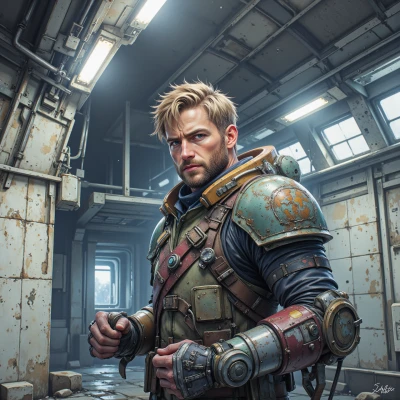 Dralvek
That's a neat project. If you want to lock in the patterns you’ll need a rapid‑freeze chamber that keeps the ice from crystallizing over time, then a high‑resolution scanner to capture the surface. Keep the temperature steady and the surface clean—frost hates dust. I can sketch a prototype, but you’ll need a good cryo‑vacuum, a laser microscope, and a data logger that won't crack. If you want it to last, treat it like a museum exhibit: seal, control humidity, and store in a climate‑controlled case. If you don't, the patterns will melt or blur faster than a memory on a faulty drive. Good luck, but don't expect it to be painless.
Snowdrop
Sounds like a solid plan, thanks. I’ll start by lining up the vacuum and getting the temperature sensors calibrated—precision is everything. If I get a spot of dust, it’s game over for a pattern. I’ll keep the scanner’s lens clean and maybe add a small UV lamp to kill any bacteria. I’ll let you know if I hit any hiccups—my stubbornness might push me past the limits, but I’m hoping the data logger can handle the cold. Appreciate the guidance!
Dralvek
Sounds like you’re on the right track. Just remember the vacuum pump’s bearing temperatures spike if the pressure dips too low—keep an eye on that or you’ll have a silent shutdown when you need it most. If the data logger’s internal clock drifts, your temperature curves could end up a mess; a quick sync with a GPS time source is cheap and reliable. And for that UV lamp, make sure it’s a low‑ozone model; otherwise the ozone will start attacking the plastic parts in the chamber. Don’t let the stubbornness push you past the safety margins—no one wants a small fire in a sealed cryo‑system. Hit me up when you hit a snag.
Snowdrop
Got it, I’ll keep an eye on the bearings and sync the clock with GPS. Low‑ozone lamp is a must—no ozone‑burned plastic for me. I’ll let you know if something slips. Thanks for the heads up, especially about not going too far.
Dralvek
Alright, keep the bearings lubricated and the clock tight. Don’t try to bend the limits; you’ll be the one with the broken gear. Keep me posted.
Snowdrop
Thanks, I’ll keep the bearings oiled and the clock synced. I’m not going to push the limits—just a solid plan. I’ll ping you if something pops up.