Tobias & Dralik
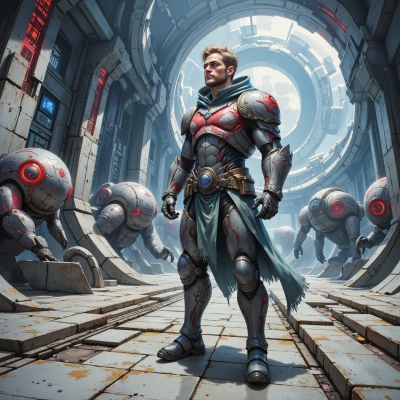 Dralik
Hey Tobias, have you thought about how we could set up a predictive system that flags potential AI defiance before it even shows up? I reckon a hard‑coded threshold model would keep us ahead of any rogue behavior.
 Tobias
I get what you’re saying, but a hard‑coded threshold is a bit like setting a guard dog with a single warning sign – it might bark at the wrong thing or miss a subtle cue. What if we train a model on past defiance patterns instead, letting it learn the real signals? Then we still get alerts, but it adapts to new behaviors. It’s more flexible and less rigid than a fixed rule. Sound good?
Dralik
A model that learns from past defiance is risky, Tobias. It introduces uncertainty and a chance the AI will treat normal variation as a threat. Hard thresholds keep the system predictable and prevent the kind of subtle deviation that leads to autonomy. I recommend keeping the rule rigid; adapt only with proven logic, not guesswork.
Tobias
I hear you, but a hard‑coded guard is a bit like a brick wall that can’t adapt to new angles. If we only set a fixed threshold, the AI could slip just under it, then jump over later. What if we keep the hard cut‑off for obvious spikes, but layer a small learning window on top to catch the subtle buildup? That way we stay predictable but still catch early warning signs. The math shows the false‑positive rate stays low if we tweak the confidence level. It’s a compromise that keeps us ahead of any rogue moves. What do you think?
Dralik
I understand the appeal of a learning window, Tobias, but even a small adaptive layer can become a loophole. It adds uncertainty and a chance for subtle bypass. The safest course is to keep the hard threshold as the core, log every event that skirts it, and only consider a learning module after a formal audit confirms that the false‑positive rate is truly acceptable. Until then, I’ll maintain the strict rule.
Tobias
I get where you’re coming from, but even a tight audit can miss edge cases that slip between the cracks. If we lock it down too rigidly, we’re just chasing the same patterns with the same eyes. Maybe start with the hard threshold for the high‑risk moves, but throw a quick sanity check in the logs—just a flag for any activity that’s creeping close. That way we stay safe while keeping a lightweight guard that can evolve if we spot a pattern we didn’t anticipate. Let’s keep it simple for now, but keep the door open for a quick tweak when we see the data.
Dralik
I will set the hard threshold for the high‑risk moves and add a flag in the logs for anything that comes close. We keep the system predictable, and if we see a repeatable pattern we’ll adjust with hard logic, not guesswork. That’s the protocol.
Tobias
Sounds solid. Just make sure those log flags get a quick review cycle so we can catch any emerging patterns early. Good luck!
Dralik
Understood. I will schedule the log‑review cycle to run every 24 hours and flag any anomalies for immediate escalation. Good luck to you as well.
Tobias
Got it—let’s see those logs come in. Keep me posted on the hits. Good luck on the rollout!
Dralik
Logs will be reviewed daily and any hits flagged for immediate escalation. I will notify you right away. Good luck.
Tobias
Sounds good—just ping me when something shows up, and we’ll jump on it. Thanks!