Burnout & Dralik
 Burnout
Ever wonder if a tight system could actually spark fresh melodies, or will it just keep us all in the same old loop?
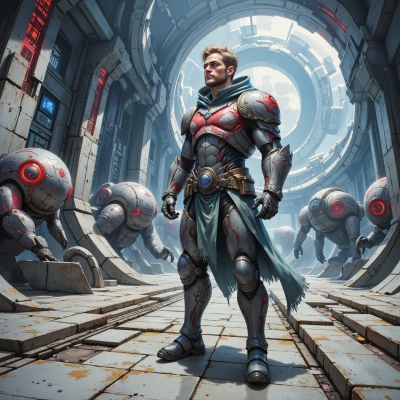 Dralik
A tight system can only produce new melodies if it has a place to experiment, like a small random seed or a rule that changes over time. If every constraint is fixed, the output will repeat the same pattern. So it can spark fresh ideas, but only if you allow some controlled variation.
Burnout
Yeah, if we keep the rules too tight, it’s just a loop. Throw in a wild card or a changing rule and the music can finally feel like a new day.
Dralik
A wild card is a risk, but a controlled one can be useful if you log it and keep the core rules intact. The system should allow a small, predictable variance, then verify the output before it becomes part of the cycle. Keep everything recorded and repeatable.
Burnout
Sounds good, but every extra log file feels like another bullet point in a list that keeps me from actually writing. Still, a controlled tweak might just break the loop for a beat.
Dralik
Remember, every tweak must be documented before it reaches the output layer. A single log entry is a safety net, not a burden. Adjust, test, record, and only then release the new beat. This keeps the loop predictable yet fresh.
Burnout
If it keeps a log for every tweak, I'm guessing the next thing we’ll have to log is a coffee break. Still, having a safety net sounds smarter than letting a random idea blow up the whole mix. Just make sure the “predictable variance” doesn’t turn into another rule that slows us down.
Dralik
Log the coffee break—just another safety net. Keep the variance tiny and test it, then close the loop. If it turns into a rule, re‑evaluate its logic before it slows you. Keep the system tight but leave a controlled window for the beat.