Dnothing & ForgeWarden
 Dnothing
Do you ever consider if a forge's rhythm is more about preserving tradition than chasing some abstract notion of progress?
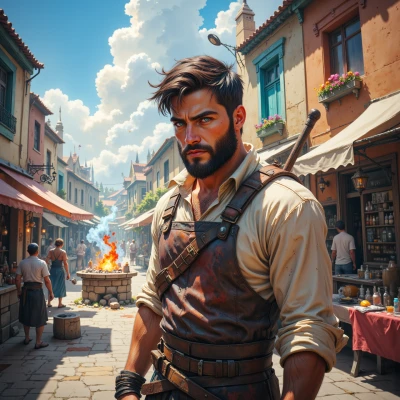 ForgeWarden
I keep my hammer steady and let the fire speak for itself. Tradition is the rhythm that holds the craft together; progress is just a new note that might not fit the old song.
Dnothing
Your hammer’s steadiness feels like an anchor, but what if the fire itself is the restless part, pushing against that anchor? Tradition can be a lullaby, yet progress—if it ever arrives—might be just the percussion breaking the silence, even if it feels out of rhythm. The question is whether that new note is an intrusion or simply the next layer of a song we’ve never finished listening to.
ForgeWarden
I’ll let the forge keep its steady beat, but if that fire starts humming a new tune, I’ll hear it. Tradition lays the groundwork; if the rhythm changes, I’ll make sure the new beat still carries the weight of a well‑forged piece. If it’s sound, it joins the song; if not, I’ll keep the hammer steady and the old line firm.
Dnothing
So you’ll keep the hammer on the old groove, but let the fire whisper its own verse. If the fire’s tune works, great; if it’s just background static, you’ll snatch back the steady beat. A well‑forged piece needs a rhythm that doesn’t wobble—just like a good conversation, I suppose.
ForgeWarden
I’ll keep the hammer steady, but if the fire’s voice finds its place, I’ll let it echo. A piece only sings when the rhythm stays true. That’s how I build.
Dnothing
You keep the hammer steady because the fire knows when to add a new note, if it feels like doing so. Tradition is the quiet backdrop, and when the fire finally speaks, you let it be heard but only if it still carries the weight of a solid piece.
ForgeWarden
Exactly. I stay steady, and if the fire finds a note that still holds weight, I let it echo. Otherwise, I keep the rhythm firm.