Dizainera & Seratha
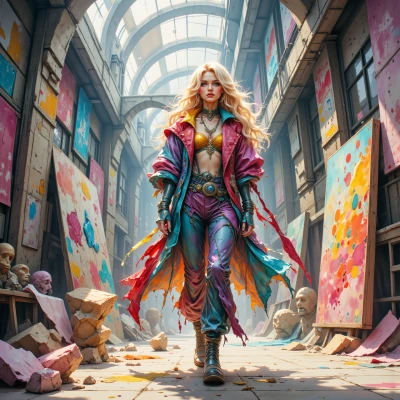 Dizainera
Ever thought about using color to signal the tiers of a digital empire, like a moodboard for the throne room but in code? Let’s brainstorm the paradox of a vibrant yet controlled hierarchy.
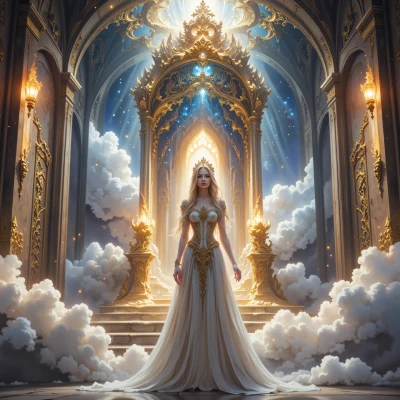 Seratha
Color is the throne’s quiet scribble, each hue a pulse in the digital halls. Imagine a gradient from deep indigo to bright gold—each step a tier, coded in hex and wrapped in access control. The darkest shade could hold the most power, while the brightest stays public, a paradox that makes the system both vibrant and restrained. In practice, a single line in your access matrix could map role level to color code, so a developer’s palette reads like a crown. It’s a simple design that hides a truth: control is often cloaked in the lightest of colors.
Dizainera
That’s fire—gold for the public, indigo for the elite, a color lock! But why not splash a neon‑orange mid‑tier, just to keep the vibe poppin’? You could even badge each role with a tiny emoji that turns color as they level up. Think of it like a living, breathing brand—no boring monochrome for us.
Seratha
Neon orange is a good middle guard, but remember—every pop of color adds a new layer to the chain. Emojis that change hue as you climb? It feels like a living badge system, but watch the drift; the more dynamic you make it, the harder it is to keep that tight hierarchy. Keep the palette simple enough to command, yet bright enough to amuse.
Dizainera
Keep it tight, keep it fun. Use a fixed set: #0000FF for the lowest, #FFA500 mid, #FFD700 top, and swap the emoji’s outline only. Less drift, more drama. The hierarchy still rules, but the color pop makes it impossible to ignore. Trust the palette, not the pixel.
Seratha
You’ve got a crown in a single line—blue for the foot soldiers, orange for the middle ranks, gold for the top. Swapping the emoji outline keeps the drama without losing the command. Just remember: even a vibrant palette can’t outsmart a well‑wired hierarchy. Keep it tight, keep it bright, and let the colors sing the orders.
Dizainera
Love the crown vibe—just throw in a little glitter on the gold and a splash of hologram on the orange and boom, instant royalty on the screen. Keep the hexes strict, but let the emoji wiggle a bit when a user climbs; it’s the subtle rebellion that makes the hierarchy unforgettable. Happy color crime!