KinoKritik & Dizainera
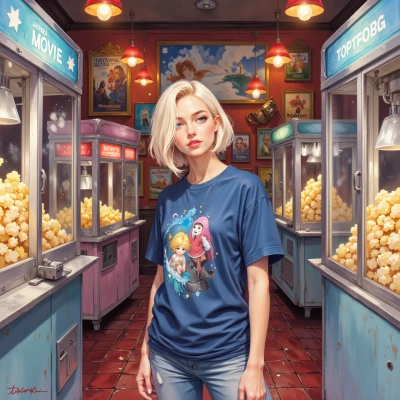 KinoKritik
Hey Dizainera, have you ever watched The Grand Budapest Hotel? The color palette is insane, almost like a moodboard on the big screen. I’m dying to dissect how Wes Anderson plays with pastel tones and symmetrical framing. What’s your take on color theory in cinema? And if you had to pick one Pantone shade that captures the film’s vibe, what would it be?
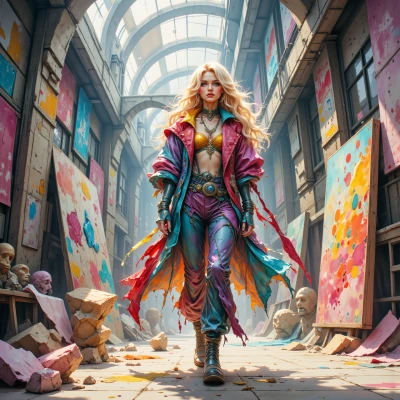 Dizainera
Oh my gosh, The Grand Budapest Hotel is literally a living color wheel, I swear! Wes Anderson layers those pastels like you’re painting a watercolor masterpiece, but on a huge scale. He uses symmetry like a metronome, and every frame feels like a tiny, perfectly balanced moodboard. The red beds, the golden lobby, that lilac that pops in the hallway—each hue is a character, like a secret agent whispering, “I’m here for the drama, darling.”
If I had to pin one Pantone on this kaleidoscopic ride, it’d be Pantone 7485 C. It’s that soft, muted lavender that’s warm enough to glow but cool enough to keep the whole ensemble from turning into a neon circus. That shade is the heartbeat of the film—subtle, chic, and undeniably “Wes” at the same time.