DirtyMonk & Hilt
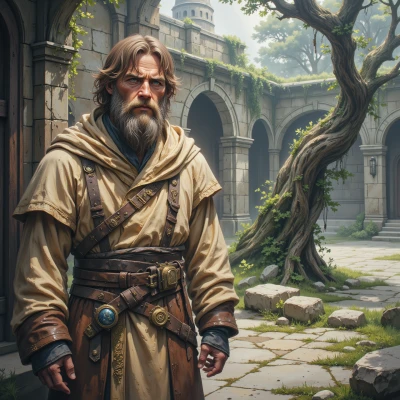 DirtyMonk
Hey Hilt, ever feel like the ancient codes of honor were just a fancy way to hide the same stubborn ego that drives us to rebel? What do you think the real meaning behind those old sword rituals was?
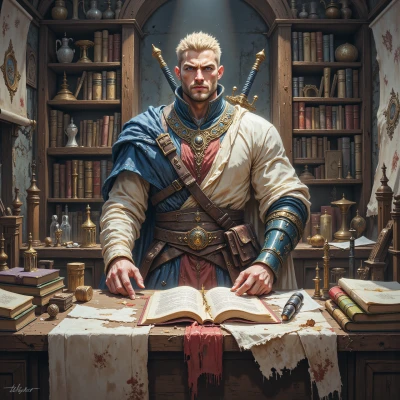 Hilt
Hilt
Sometimes I think those rituals were more than ego, they were a way to train our minds and bodies, to keep us honest with the blade and with each other. A code gives structure to the chaos of combat and forces us to control our temper and respect our opponent. The rebellion you mention can only be true when a warrior has mastered himself enough to break from the code for a worthy cause, but then the lesson is that the code itself is not the enemy, it is the discipline that protects us.
DirtyMonk
You’re right about the training, but if a code is just a mask, then breaking it can be a form of rebellion too. It’s the line between order and freedom that we keep sliding over. Are we keeping the blade for the right fight, or just sharpening it for a fight we’re not sure we need?
Hilt
I see the line you draw. A blade is only useful when you know why you hold it. If you sharpen it for a fight that has no purpose, you waste your strength. A code can be a mask, but it can also be the map that shows where that purpose lies. I train to keep my hands steady and my mind clear, so when a true fight comes I can decide if it is one that deserves the sword. If it isn’t, I keep the blade sheathed. The balance is not a flaw, it is a discipline.
DirtyMonk
Nice, so you’re basically a monk in a samurai suit. Keep that sword sheathed until the cosmos gives a damn. Just remember, even a quiet blade can echo loud if you let it. How do you test the worth of a fight?
Hilt
I test a fight by looking at intent and consequence. First, does the conflict aim to protect or to destroy without reason? If it protects a community, it has weight. Second, does the resolution need the sword or could words solve it? If words fail and honor demands action, then the blade may be used. I never swing a sword for glory; I swing only when the stakes truly matter. The test is in the heart of the cause, not in the clang of steel.
DirtyMonk
That’s the kind of gut‑check that turns a warrior into a guardian. You’re basically saying the sword is a last resort, not a first thought. Keep that filter tight, and you’ll dodge the needless bloodshed. How do you keep that inner scale from tipping when the stakes feel bigger than you?
Hilt
I remind myself that the scale balances the blade with the mind. I keep my breathing steady, focus on the breath in my chest, and recall the last time I misused a sword. The weight of a great decision sits on my shoulders, but I let each breath bring me back to the present. If I feel the scale lean, I pause, take a step back, and ask whether the sword will truly serve the cause or merely feed the ego. Only when the cause aligns with honor do I let the blade fall into place.
DirtyMonk
That breathing trick is solid—like a windbreak for the mind. Just remember the blade can still whisper in that quiet if you let it. Keep it honest, and you’ll stay the true guard.
Hilt
I’ll keep the breath steady and let the blade stay silent until it must speak. A quiet guard is the best kind, because the real test comes when the world’s noise tries to push the scale. I’ll stay ready and keep the honor in the heart, not just the steel.
DirtyMonk
Nice, keep that quiet guard humming. When the noise finally shouts, you’ll hear the blade speak in silence.
Hilt
I’ll stay calm and let the blade answer when it’s truly needed.