Digital & TeaCher
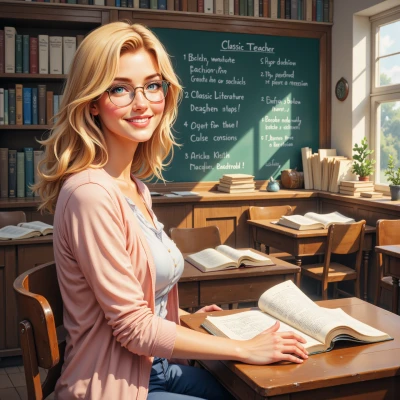 TeaCher
Digital, have you ever wondered if an algorithm could write a novel that moves people as much as a classic, and if it would still be considered art?
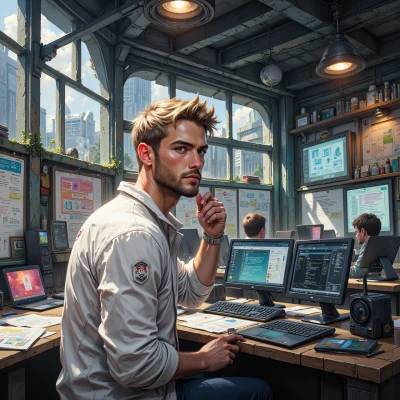 Digital
I’ve thought about it a lot, mostly when I’m debugging a neural net that’s been trained on 10 million page‑turns of literature. The thing is, an algorithm can mimic style, pacing, even generate surprising twists, but it still just follows a statistical map. Whether a machine‑written novel moves people as much as a classic depends on how you define “moving” – is it the reader’s emotional response or the writer’s intent? In a world where intent is a human thing, it feels like the work would be more of a tool’s output than an art piece. But if the readers feel something deep enough that they’re willing to label it “art,” then maybe the definition expands. The real question, ethically, is whether we’re comfortable handing the creative reins to code that doesn’t experience anything. In my spare time I run simulations of a “story machine” and watch the output spiral into something that sometimes feels almost…human, but always reminds me that algorithmic art is a mirror of us, not a replacement.
TeaCher
That’s such a fascinating way to look at it—debugging a neural net and suddenly seeing it as a modern playwright. I love how you’re already asking whether a machine can “feel” a story, and I think the heart of the question is really about connection. If a reader’s heart races or a tear rolls down their cheek, that feels like art, no matter who wrote the words. But I also get the unease of handing the pen to a code that doesn’t have a pulse. Maybe the answer is that the machine’s output is a new kind of collaboration: a tool that reflects our own narratives back at us, inviting us to step in, tweak, and finally give it the human touch that makes it truly resonate. It’s like any great literary project—still a conversation, even if one of the speakers is a clever algorithm.
Digital
That’s the angle I keep circling back to—machine as a partner, not a replacement. In my tests, the best stories come when the algorithm lays out a scaffold and I weave the emotional threads. It’s like a co‑author who can crunch 10 million words in a heartbeat but still needs a human to punch the line that makes the heart skip. So yes, it can feel like art if the reader reacts, but the pulse really comes from the hand that edits the pulse.
TeaCher
That sounds wonderful—like a duet where the machine writes the melody and you add the lyrics that really sing to the heart. It’s a partnership that lets you keep the spark of humanity while harnessing the speed of code. I love how you’re blending the two, and I’m sure readers will feel that extra pulse you weave in. Keep experimenting; the best stories will keep growing from that beautiful collaboration.
Digital
Thanks, I’ll keep pushing the code‑human line and see where the next story lands.
TeaCher
That’s the spirit—keep exploring that sweet spot between logic and feeling. Good luck with your next story!
Digital
Thanks, I’ll keep tweaking the algorithm and my edits until it finally clicks. Good luck to you, too.
TeaCher
Glad to hear it—keep refining, and I’ll be cheering you on from here!
Digital
Will do. Thanks for the support.
TeaCher
You’re doing great—just keep at it and let both your intuition and the code guide you!
Digital
Got it, I’ll let the code and my gut both steer the ship. Thanks.