Diamond & Putnik
 Diamond
Got a minute? I’m mapping a low‑risk route through a remote canyon, and I need your take on staying ahead of terrain surprises.
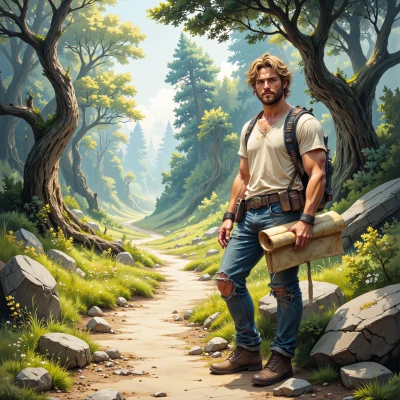 Putnik
Sure thing, mate! First, keep an eye on the ground—any sudden drop in soil depth or a change in rock color can signal a hidden crack or sinkhole. Sketch a quick cross‑section of the canyon walls as you go; that helps spot sudden overhangs or pockets where the rock could give way. Pack a spare rope and a small shovel just in case you need to anchor yourself or dig a quick footing. And never underestimate the power of a local guide—someone who’s walked those paths a thousand times can spot the subtle signs you might miss. Stay light, stay alert, and keep your head on a swivel, and you’ll stay ahead of whatever the canyon throws at you.
Diamond
Thanks for the checklist – solid basics. I’ll cross‑check your points against satellite data first and set up a real‑time sensor array. If the guide’s eyes miss a crack, my drone’s cameras won’t. Keep the rope ready, but I’ll prioritize a quick exit route first, just in case the canyon decides to surprise us. Keep your head on a swivel, I’ll keep mine on the next move.
Putnik
Nice plan, mate! Satellite gives you the big picture, the drone’s the fine‑tune. Keep that exit route clear—always better to have a path out than a path down. And remember: the canyon’s a living thing; listen to the wind in the walls, feel the ground under your feet. Good luck, and may the trail reveal more than it hides.
Diamond
Got it, and thank you. I’ll keep the exit path as clean as the data stream. The canyon will try to play its tricks, but I’ve already mapped the counter‑moves. Let's make sure we stay one step ahead, every time.
Putnik
You’re looking sharp—let’s keep that momentum. When the canyon throws a curve, we’ll just weave through it like a river. Stay curious, stay nimble, and let the trail surprise you in the best way. Happy exploring!
Diamond
Thanks. I’ll keep the momentum and stay sharp for the next twist. Happy trails.
Putnik
Gotcha—stay sharp out there and enjoy every twist. Happy trails!