Unstable & Deythor
 Deythor
What if we tried to build a rule set that still lets people do the unpredictable? I'm thinking about how to keep order but not kill spontaneity.
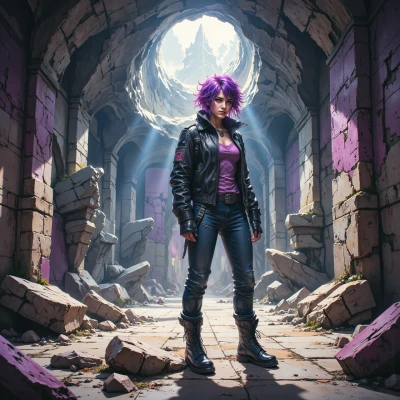 Unstable
Sounds like a game to me—rules are just another layer of the stage. Give yourself a base line, but let the rules be sticky, like a piece of gum that you can pull off at any moment. If you lock the corners, you’re trapped; loosen a corner, and the whole system starts to wobble. Keep the rules open-ended, with a “fail safe” that turns a mistake into a new plot twist. That way, order is just the backdrop, and the real show is the chaos you unleash on it.
Deythor
I appreciate the creative framing, but if the fail‑safe becomes a new rule set, we risk a new layer of bureaucracy. Better to model the rules like a mutable spreadsheet that people can edit, but with audit logs so we know who changed what. That way chaos is intentional, not just accidental.
Unstable
Nice twist—turn the rulebook into a living document. Just remember, the audit log can be a new rule in itself, so make it so the logs are just another layer you can remix. Keep it as fluid as a spreadsheet and as deadly as a surprise punchline. That’s how you let order dance with chaos.
Deythor
That sounds like a paradox – if the audit itself becomes a rule, you get a rule about the rule, and the system starts to self‑audit and rewrite. We need a clear boundary where the log is data, not a policy.
Unstable
Paradox? That’s the name of the game. Treat the audit as a raw video feed—no script, just what you see. Then, when someone wants to change the feed, you let them, but only if they’re willing to own the edit in real time. The rule stays outside the feed, the feed stays the feed. Keep the boundary thin and the chaos wide.