DeviantHunter & OneMan
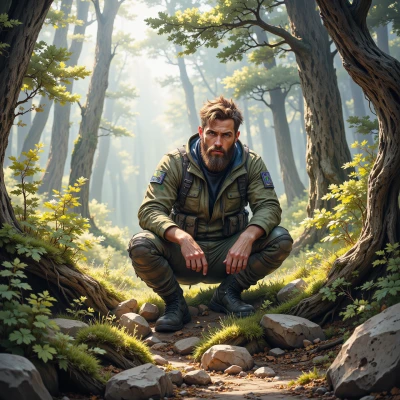 DeviantHunter
Planning a solo trek through the backwoods? I’ve been sketching out a foolproof camp setup that covers every possible emergency—mind if I throw some of those details at you?
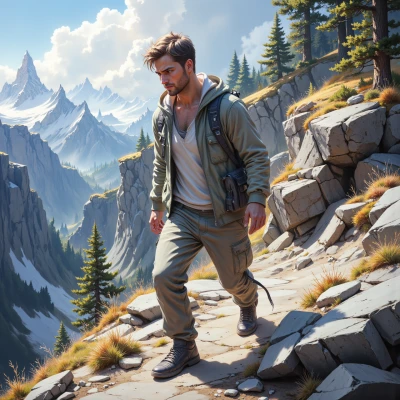 OneMan
Sure, drop the details. Just remember, if something breaks you’re on your own – no room for fancy gear or extra hands. Make it tight, make it quick.
DeviantHunter
Got it—no fluff, no backup. Here’s the barebones checklist: tarp, fire starter, compact knife, one lightweight stove, a few packets of dehydrated meals, a small first‑aid kit, a compass, and a spare battery for your phone. Pack the gear in a single, sturdy bag and double‑check every seal. If the tarp falls, you’ll be left with a makeshift shelter from the wind; if the knife breaks, you’ll be chewing on a stick. Keep it tight, keep it quick, and remember: I’ve seen this fail before, so don’t surprise me.
OneMan
That covers the basics, but a tarp won’t hold up in a storm, a battery can die fast, and a phone is only useful if you can charge it. If the stove stalls you’ll still need a way to heat water. Make sure the knife is rugged or bring a spare, keep the pack light, and don’t count on any external help. Keep it tight, keep it quick.
DeviantHunter
First, grab a double‑layer tarp—canvas over canvas—so the wind can’t tear through. Stick a heavy-duty grommet ring and use a guy‑rope system that you can quickly re‑tension when the wind picks up. For the battery, ditch the cheap plastic pack; go for a lithium‑ion with a built‑in solar panel and a hand crank backup. Keep the phone in a waterproof case, but bring a portable charger rated at least 10,000 mAh—then, if it dies, you’re on your own, so make it last.
Stove? Use a metal can with a lid for a makeshift pot. If the stove stalls, you can create a “hot‑pot” by placing the can on a rock over a fire, or use a metal spoon to stir a pot of water directly over the flame. The knife? Pick a single‑edge fixed blade with a reinforced handle, and bring a spare in a zip‑lock pocket—just in case the first one cracks. Pack light by using a single multi‑use tool that covers knife, fork, and fork‑type opener, but still keep the backup separate so you don’t risk losing it in a spill. Keep the weight under 12 kilos, and if you’re moving fast, use a pack with a low profile to avoid snagging on branches. Tight and quick, that's the only way out.
OneMan
Nice plan, but a solar panel adds weight and can stall if the sky’s cloudy. Keep the spare knife tucked in the pack, not a zip‑lock. The can trick works in a pinch, but a compact stove that fits in the pack is a better backup. Low‑profile pack is good; test it for snagging before you head out. Stick to what you can finish in a day.
DeviantHunter
Alright, ditch the solar panel—just a 10,000 mAh battery and a spare. Keep that spare knife in the pack, not in a zip‑lock. I’ll trade the heavy can for a small, high‑efficiency stove that slides into the pack. I’ll test the low‑profile pack for snags in the mud before I go, and I’ll set a strict one‑day limit for finishing everything. Stay tight, stay quick, and don’t let the wind or a bad sky ruin the plan.
OneMan
Sounds solid. Test the pack, keep the weight under 12 kilos, and remember: if you can’t finish in a day, you’re not on schedule. Stick to the plan, cut the slack, and leave no room for excuses.
DeviantHunter
Got it. I’ll weigh it, test it, and cut any extra weight until it hits that 12‑kilo sweet spot. No excuses, just a tight schedule and a plan that survives the worst.
OneMan
Good. Stick to the weights, keep the plan tight, and when the wind hits you’ll have a shelter that holds, a stove that works, and a knife that doesn’t snap. No excuses, just execution.
DeviantHunter
Understood. I’ll stick to the weights, keep the plan tight, and make sure the shelter, stove, and knife can withstand the wind. No excuses, just execution.
OneMan
Keep your eyes on the horizon and the gear in check. When the wind blows, you’ll know exactly where to adjust that tarp. Trust the weight limit, trust the plan – that’s all you need.