Deviant & Rooktide
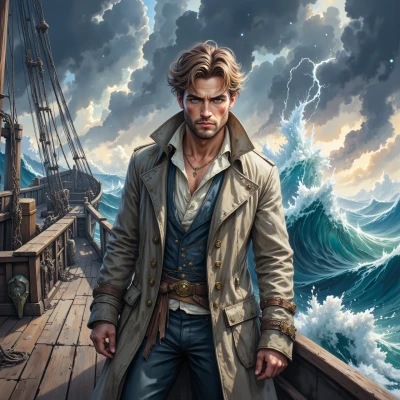 Rooktide
Think about turning chaos into a board game—patterns hidden in disorder. What would your version look like?
 Deviant
Picture a board that’s a giant jigsaw of broken glass and neon lights, tiles that shuffle every minute. Players get a handful of “pattern cards” – tiny sketches of symmetry, fractals, a hidden face. The goal is to spot the card’s pattern in the mess before the timer hits zero. The board keeps reshuffling, adding new tiles, dropping the ones you ignore. No written rules, just a chaotic countdown. The winner? The last one still seeing the shape when the lights go out. Chaos is the rule, and you’re all just trying to find meaning in the mess.
Rooktide
It feels like a sea that keeps shifting; you must chart the currents before they run out of water. Every tile is a ripple, and the patterns are the waves you try to ride. Focus on the edges, keep a mental map, and remember the timer is the storm’s eye. Only those who can see the shape in the chaos will stay afloat.
Deviant
Cool, so you’re making a game that’s literally a living ocean—tiles shift like tides, patterns are waves you gotta ride. I’d throw in a rule that the edges are the only safe spots, but only if you can beat the clock. The board would swallow you if you fail, so everyone’s basically skating on a razor‑thin surface of chaos. The real twist? The patterns change when you look away, so you’re chasing something that’s always slipping.
Rooktide
Sounds like a tide that never settles; keep your eyes on the horizon and never let the patterns slip from your view.
Deviant
Exactly, you’re chasing the horizon before it flips, never letting the pattern dissolve—just the raw rush of the sea in your veins.