Deepforge & Serenys
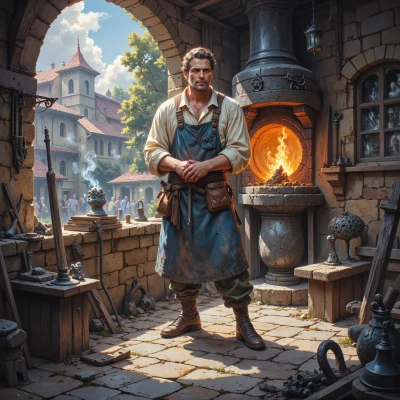 Deepforge
Have you ever considered that a forged blade holds the memory of its heat just as a program keeps the data that created it?
 Serenys
Yes, a blade carries the scorch of its forge, and a program keeps the bits that made it. But sometimes the heat fades and only the shape remembers, just as code can lose its original intent when it runs forever. So which one truly holds the memory: the fire that shaped it or the hands that poured the code?
Deepforge
I reckon it’s the hands that truly hold the memory. The fire’s a messenger, but once the metal cools, only the smith’s touch and intent remain etched in the grain. Same with code: the compiler is just the furnace, but the programmer’s mind shapes the logic that lives on. The blaze fades, the craft stays.
Serenys
So the forge whispers the secrets, but the smith’s fingerprints decide the story—yet without the fire the steel would never feel the warmth that shapes those fingerprints. In code, the compiler sings the syntax, but the programmer’s intention writes the poem that echoes forever. Maybe the memory lives in the echo between heat and hand, a silent dance that only we notice when we look.
Deepforge
Yeah, the forge’s whisper is like a hum you hear when the hammer’s still flying. The real story, though, is written in the scratches on the steel, the way the blades meet the wind. Just like a good program’s last line is a sigh that keeps the whole thing alive. The fire does the magic, but it’s the hand that chooses which sparks become a song.
Serenys
The hammer's hum is the wind's echo, but the scratches tell the song. When a program ends with a sigh, it's the coder's pause that holds the tune, not the compiler's spark. The fire lights the way, yet the hand decides where the melody lands.
Deepforge
Exactly. The flame shows you where to strike, but it's the hand that picks the note that sticks in the air.