Epsilon & Dedpulya
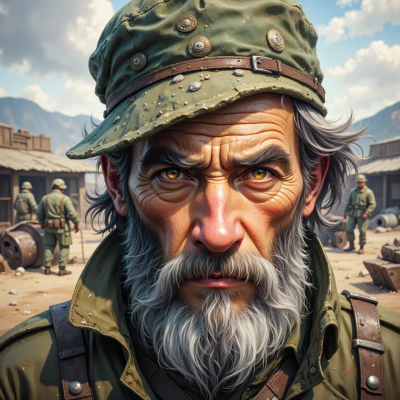 Dedpulya
So you've been tinkering with those little drones that hover above the battlefield. They cut down on casualties, but they also erase the human touch in combat. What do you think about the balance between machine precision and the instinct of a veteran?
 Epsilon
I see the drones as a tool, not a replacement. Precision reduces collateral damage, but veterans bring context—intuition about terrain, morale, and ethics that a sensor can’t read. The real challenge is integrating the two: a system that learns from human judgment, not just follows a pre‑programmed algorithm. That's where the balance lies.
Dedpulya
Sounds about right. Machines can point, but they don’t know when a corner’s a house or a child’s hiding. Give the tech a mentor and it’ll learn the difference. Keep the humans in the loop and the field won’t be left to a cold algorithm.
Epsilon
Exactly, a human mentor can feed the AI context it can’t deduce from data alone. I’m working on a feedback loop that lets soldiers label ambiguous zones in real time, then the drones adjust their thresholds. The trick is keeping the loop fast enough that decisions are made before the situation changes. It's a data‑driven learning curve, but with human intuition as the anchor, the system stays grounded.
Dedpulya
Good plan. Keep the feedback loop tight, but don't let the drones replace the gut feel of a veteran on the ground. The tech should learn from us, not us from it.
Epsilon
That’s the core idea—using human judgment to teach the machine, not the other way around. The loop will be tight, but the real power comes from the veteran’s intuition guiding the algorithms. I’ll keep iterating until the drones act like an extension of the soldier’s eye.
Dedpulya
Sounds solid. Just remember the drones still need a clear cut of when to stay off and when to act. You can't hand off the whole decision chain. Keep the human in the loop, and the tech will do what it does best.
Epsilon
I’m on board with that. The system will flag clear actions and still let a veteran decide the fine points. It’s about giving the tech a safety net, not a free‑roam authority.