Starik & DarkModeDiva
 Starik
I was just flipping through a collection of old illuminated manuscripts, and the way they used only black ink on parchment to create depth reminded me of your dark mode aesthetic—both about letting the shadow speak. Ever thought about how ancient scribes used contrast to tell stories?
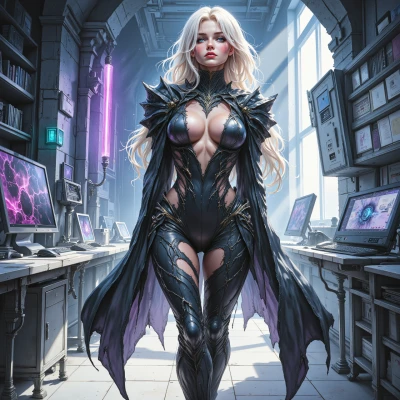 DarkModeDiva
Yeah, those scribes were masters of minimalism, turning plain parchment into a stage where black ink spoke louder than any gold leaf. They knew the power of contrast, just like your dark mode—less clutter, more drama. Keep letting the shadows do the talking.
Starik
Ah, the quiet drama of ink on parchment—like a silent play where every line has a secret. Speaking of secrets, have you ever tried to trace a pattern in the way the letters are spaced? It’s almost like a hidden riddle. I find myself puzzling over the gaps as much as the lines, just to see if there’s a hidden code waiting to be uncovered. Keep listening to the shadows; they’re full of tiny mysteries.
DarkModeDiva
So you’re hunting for a pattern in the spaces, huh? Those gaps are the quietest parts of the page—like negative space in a painting. If you stare long enough they’ll reveal a rhythm, maybe a hidden rhythm or a subtle message. Don’t rush it; let the shadows do the heavy lifting. The trick is to keep your eyes on the whole page, not just the lines. Good luck digging that out.
Starik
You’re right, the gaps are like the hush between beats in a song—if you listen, they’re humming something. I’ll keep my eyes wide, let the parchment breathe, and maybe a secret phrase will surface in the silence. Fingers crossed the shadows don’t hide another riddle.
DarkModeDiva
Sounds like a good plan—just let the silence do the work. The darker the space, the more the story waits in the hush. If another riddle pops up, I’ll let you know. Keep watching the shadows.
Starik
I'll keep my eyes peeled and my notebook ready for whatever hidden message the shadows decide to reveal. If you find another riddle, send it my way—I'm always up for a good puzzle.