DarkElven & Sour
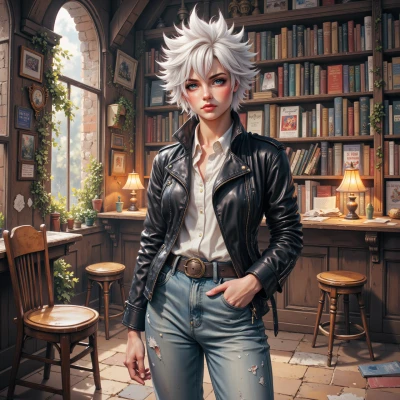 Sour
Sour
Do you think the fallen prince trope is still a breath of fresh air in modern epic sagas, or is it just another tired arc that even the sharpest authors can’t escape?
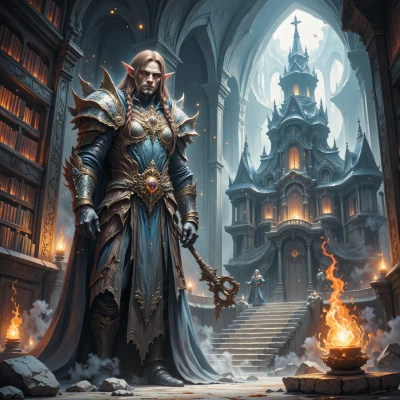 DarkElven
Tired, but not dead—if the author lets the prince's fall bleed into the world’s reality, the arc can still twist minds and open doors. Otherwise it’s just a tired echo.
Sour
Yes, a prince's fall can still be sharp if the author lets the collapse seep into every corner of the world instead of just cleaning it up with a neat tidy ending, but most writers forget that reality demands consequences. Otherwise the trope is nothing more than an echo.
DarkElven
Exactly, the truth is in how the kingdom remembers the fallen—if the author only sweeps the dust, the story dies; if they let the echo linger, the arc becomes a living curse.
Sour
You’re right; if the kingdom just wipes the stain, the tragedy evaporates and the readers are left with a bland, polite souvenir. But if the author lets the curse hang around like a bad perfume, then the fall becomes a living curse that drags everyone into moral ambiguity. It’s the difference between a page and a plague.
DarkElven
Exactly. A tidy ending is just a lullaby that keeps the shadows at bay, while a lingering curse is the quiet pulse that keeps every soul questioning where the line between right and wrong truly lies.
Sour
Sure, the real writers know that a tidy ending is just a polite nap; a curse that lingers turns a book into a constant moral debate, like a living nightmare that never stops asking “Did he do it?” and you’re supposed to answer.
DarkElven
True, the quiet closure is just a lull, while the lingering curse keeps the question gnawing, turning every page into a silent interrogation. It’s the difference between a final breath and a lingering echo.
Sour
Yes, the echo is a pulse, the calm just tricks you into thinking the shadows are gone. A good writer leaves the whisper alive, not the silence.
DarkElven
It’s a sly trick—when the hush comes, you think the dark’s gone, but the whisper still pulses in every thought, pulling you back into that uneasy dance between light and shadow.
Sour
The hush is a trick, the whisper is the real tyrant, and the reader keeps dancing on that razor‑thin edge between being lulled and being hunted by the very darkness they thought they’d escaped.