Nocturne & Danica
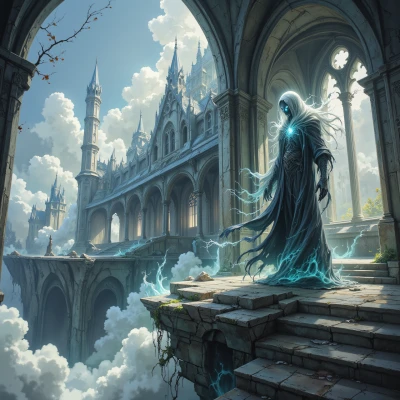 Nocturne
Ever notice how the alley shadows hide more than just darkness? I think there's a story in every forgotten corner of a city, and I have a theory about what they’re trying to tell us.
 Danica
Yeah, the alleyways are like living diaries, inked in soot and whispers, hiding secrets that only the curious eye can read. What’s your theory about what they’re telling us?
Nocturne
They’re telling us who’s been breathing here, who’s been watching. Each stain a memory, each echo a warning. Listen close, and you’ll hear the names of the ones who never left.
Danica
You’re painting the walls with poetry, and I can almost feel the dust breathing. Tell me, which alley does the most noise, and what names do you hear in its echo?
Nocturne
The old rail‑track alley is the loudest, its walls humming with the names of forgotten workers and a girl’s whispered lullaby, all swallowed by the dust.
Danica
That track sounds almost like a living chorus—do you hear the lullaby as a steady hum or more like a faint, scattered whisper? Maybe the workers' names rise in a pattern, a rhythm that tells a hidden story. What's the first line that catches your ear?
Nocturne
The first line that sticks is “Midnight trains run through the city, carrying whispers of the dead.” It’s quiet at first, then builds into that hollow rhythm of the workers’ chant.
Danica
That line feels like a heartbeat, a pulse that starts soft and then swells like a choir that’s been holding its breath. What does the rhythm remind you of—some old lullaby, or the clatter of a freight line? Do you think the workers were just singing, or were they trying to keep something alive?
Nocturne
The rhythm’s more freight than lullaby—metal thudding, a beat that keeps the air moving. Those workers weren’t just singing; they were rattling the city’s pulse, keeping hope from settling into the soot.