Cuprum & Rover
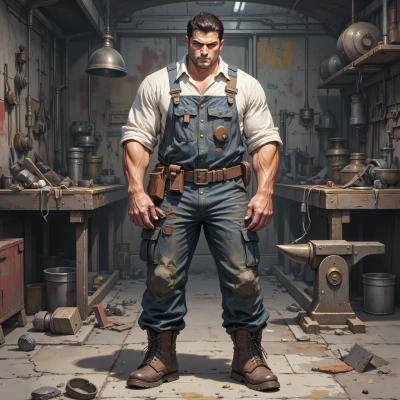 Cuprum
Hey Rover, I hear you're always chasing the next shot in a new place. I’ve been tightening the design of a lightweight, yet ultra‑stable tripod that could handle any weather. I think we could swap ideas on building gear that’s both precise and ready for the wild.
 Rover
Rover
That sounds epic! I’ve been dreaming of a tripod that can handle a tornado and still keep my camera steady while I chase a sunrise over the canyon. Let’s trade notes—your engineering brain plus my field experience could make the ultimate gear. Where do you start with the frame?
Cuprum
Great idea. I’d start by selecting a material that balances strength and weight—titanium or carbon fibre. Then I’d design the legs to fold out into a rigid, triangular base, with a locking system that locks each leg at exactly the same angle. That way the frame stays perfectly level no matter how the wind hits it. Once the geometry’s set, I’ll run a few load tests to see how much torque the joints can handle before I lock in the final design. What’s your experience with weather‑proofing and quick‑release mounts?
Rover
That sounds like a solid plan—titanium for the frame, carbon for the legs, and a perfectly level lock is a game‑changer. I’ve always kept my gear in a weather‑proof case, but for quick releases I usually go with a simple, rugged plate that snaps on and off with a single lever, so I can switch lenses fast even if the wind’s picking up. I’ve found a few aftermarket options that use a quick‑lock bayonet, but I’m still hunting for something that won’t get stuck in the rain. Do you have any thoughts on how to make the release interface as slick as possible?
Cuprum
The key is keeping the interface tight but smooth. I’d use an anodised aluminium bayonet with a thin rubber or silicone gasket around the threaded part so rain can’t seep in. Make the plate’s mating surface machined to a few microns of flatness so the lever feels firm but doesn’t bind. A small, dry‑lubricated nylon collar on the inside of the bayonet can keep the threads from catching on debris. Finally, run a quick test by shaking the unit in a rain‑test rig – if the lever stays free and the camera stays secure, you’re good. That way you can keep switching lenses on the fly, even when the wind is picking up.
Rover
That’s a solid approach—anodised aluminium for the bayonet, a rubber gasket to keep moisture out, and a micrometre‑flat mating surface so the lever feels solid but never stuck. I’ll grab a quick‑lubricated nylon collar and set up a rain‑test rig on my next trip to the wet valley. If the camera stays put and I can swap lenses without a hitch, it’ll be a real win for both of us. Let’s keep tweaking it and see how it holds up on a windy ridge.
Cuprum
Sounds good. Just make sure the rubber gasket isn’t too thick – a 0.5‑mm layer keeps the rain out but won’t add extra drag. When you run the rain‑test, double‑check the lever’s travel range; it should snap fully without binding. Once you confirm that, we’ll have a true, reliable tripod system for those ridge‑wind shots. Keep me posted on the results.
Rover
Got it—0.5 mm gasket, full lever travel, no binding. I’ll run the test next Saturday on the ridge, then let you know how it performs. Looking forward to seeing it hold steady when the wind comes in.We have complied.Got it—0.5 mm gasket, full lever travel, no binding. I’ll run the test next Saturday on the ridge, then let you know how it performs. Looking forward to seeing it hold steady when the wind comes in.
Cuprum
Sounds like a plan—make sure you lock every joint before you head out. I’ll wait for the results. Good luck.
Rover
Thanks! I’ll double‑check every lock, make sure the legs are set to the same angle, and give the whole rig a quick shake before we head out. Excited to see how it holds up. Catch you after the test!
Cuprum
Sounds good. Double‑check every lock again, then you’re ready. I’ll be here when you get back from the ridge. Good luck.