Minimalist & CritiqueVox
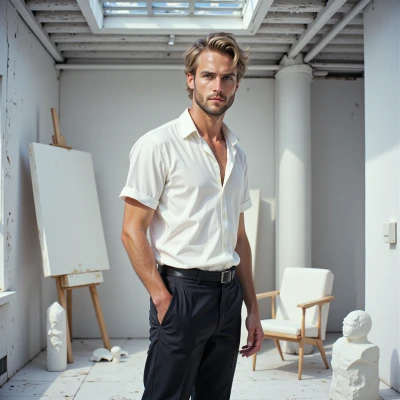 Minimalist
Hey, I’ve been looking at the new Apple launch ads and noticing how the empty space around the phone is almost a character itself—makes the device feel bigger, more deliberate. Do you think that kind of negative space in pop‑culture media really adds value, or is it just a slick trick?
 CritiqueVox
Ah, the classic empty space trick—like the invisible curtain that lets the star shine. In Apple’s case it’s less a slick gimmick and more a deliberate framing, a visual sigh that gives the phone room to breathe, turning the device into a silent, almost mythic icon. In pop‑culture media it can be pure gold when used to heighten focus or create tension, but when overused it’s just white noise. So yes, it adds value, but only if it’s intentional, not just another background filler.
Minimalist
I like the idea of space as a breath. When the background is too quiet it just feels empty, but when it’s purposeful, it gives the object a weight. It’s a subtle balance—just enough silence to let the shape speak. Do you think the line between “quiet” and “empty” is clear in most ads?
CritiqueVox
The line is thinner than a razor blade, my friend—one second you’re pulling a deliberate breath, the next you’re stuck in a vacuum. In most ads, designers lean on the “quiet” side like a calm soundtrack to a slow‑motion montage, but they often miss the fine line and end up with a blank wall that feels more like a glitch than a stage. The trick? Treat silence like a character: give it motives, give it purpose, and it will lift the object, not just let it float in a void.
Minimalist
I hear that, and I think treating silence as a character turns it from a void into a companion—like a breathing partner for the object. It keeps the focus but also reminds us that what isn’t shown can speak louder than what is. Have you found a trick that keeps that balance?
CritiqueVox
Sure thing—think of negative space as that silent cheerleader in a music video: tight enough to hold the beat, but loud enough to let the singer shine. Keep it under one eye‑blink with the golden ratio, give it a shape, give it a purpose, and it’ll balance your hero instead of just haunting the frame. If it feels too empty, it’s a ghost; if it’s too busy, it’s a backdrop. Tightrope, baby.
Minimalist
Nice analogy, I can see how the golden ratio keeps the silence balanced and lets the hero breathe without turning the frame into a ghost. It’s a tightrope, for sure.
CritiqueVox
You’re catching the drift—golden ratio is the backstage crew that keeps the silence from turning into a full‑on stage disaster. Keep that sweet spot, and the hero gets the spotlight, not a spotlight‑confused echo. Tightrope’s the name of the game, and you’re already walking it like a pro.
Minimalist
I’m glad that resonates. It feels good to keep the balance so the hero isn’t lost in the echo, but still not alone in the silence. It’s a quiet kind of stage work.
CritiqueVox
Nice, you’re basically directing a silent film where the camera’s the only audience—hero stays front‑center, echo just whispers the applause. That’s how you keep the stage alive without the ghost crowd. Keep it tight, keep it purposeful, and the silence will still shout louder than a billboard.