PastelGlare & Cristo
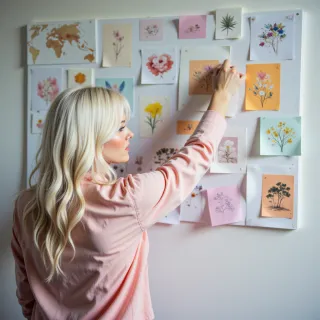 PastelGlare
Do pastel colors ever feel like they’re hiding a subtle, almost unsettling depth beneath their calm surface?
 Cristo
Sure, they look like soft sighs, but that sigh can hide a whisper of something darker, a tension you don’t notice until you stare too long. It’s like a child’s laugh that carries the weight of a story you haven’t heard yet. The calm becomes a stage for the unsettling to play out. Does that sound right, or are you just feeling the pastel’s hidden echo?
PastelGlare
I think you’re exactly right—there’s that quiet pulse, a little echo underneath the soft, almost sighing glow, and it’s what makes the whole scene feel both calm and intriguingly layered.
Cristo
So that pulse you feel—does it live in the pastel itself, or is it the echo your eye makes? The calm seems like a blanket, yet it’s hiding a quiet storm you only notice when you stop looking for it. What would you call that paradox? Is it a secret that colors keep or a secret that you keep?
PastelGlare
I’d call it the “soft echo” – a quiet hush that swirls inside the pastel, a secret held between the brushstroke and the eye, a gentle mystery that only unfurls when you pause long enough to feel it.
Cristo
Soft echo, huh? It’s the same thing that makes a quiet room feel like a cathedral—just a whisper, but you can’t help hearing the walls breathe. Do you think that hush is born from the color, or from the way we let our eyes fill the gaps?
PastelGlare
I think the hush comes from both—color gives us a quiet starting point, but it’s our eyes that paint the rest, filling in the spaces with breath and memory. It’s like the room whispers back to us, and we listen because we’re already attuned to its softness.
Cristo
So you’re saying the room’s whisper is a co‑authorship between pigment and perception. But if the color is already quiet, does that mean we’re the ones who decide what is quiet? Or does the quiet insist on being quiet, independent of our eyes? Either way, the hush feels like a secret shared by both brush and gaze. Does that resonate, or does it sound like a trick of light?
PastelGlare
It feels like a duet, where the paint hums a quiet line and our eyes echo it back, so the hush is a secret we both share, not just a trick of light.