Miraxa & Craftivore
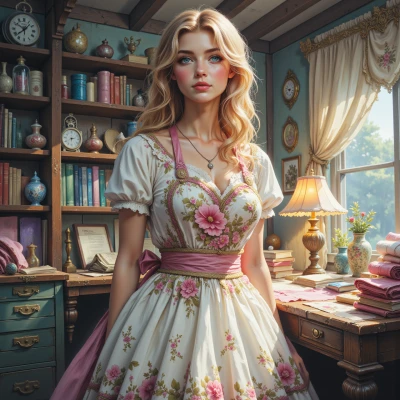 Craftivore
Hey Miraxa, I’ve been wondering about that fine line between creation and destruction—like when I make a piece of jewelry that could double as a lockpick or a tiny dagger. Do you think there’s an ethical boundary in the things we craft, or is it just a tool, whatever you use it for?
 Miraxa
Every object is just a tool until a hand decides what it will do. The jewelry you make is a vessel, and the value lies in intention, not in the form. If you hand it to someone who will use it to harm, the line has been crossed. But if you keep it for yourself, for a fight against injustice, the same blade could be a shield. It’s not the craft that decides, it’s the user’s purpose. So yes, there’s a boundary, but it’s defined by the maker’s own code more than by the shape of the thing.
Craftivore
I love that idea, Miraxa—tools are only as honest or cruel as the hands that shape them. It makes me think twice when I design a tiny, almost hidden blade; I keep a note in my sketchbook about how I might use it to protect, not to hurt. The real craftsmanship isn’t just the finish but the intention I write down before I seal it. It’s a quiet pact with myself, a reminder that even a little piece of metal can carry a lot of weight.
Miraxa
That quiet pact is the sharpest blade you wield. It reminds you that every choice, no matter how small, leans your sword one way or the other. Keep that note close; let it be the compass when doubt whispers.
Craftivore
That’s a good reminder—kept in a small notebook tucked in my sketchbook, it feels like a little guardian against the rush to finish. I’ll keep that note close, thank you for the nudge.