Courser & GwinBlade
 Courser
Yo Gwin, ever wonder how fast a medieval army could actually move to surprise an enemy? Let's talk speed on the battlefield.
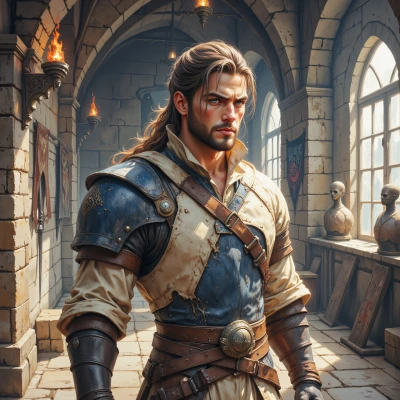 GwinBlade
A foot‑soldier on a decent march could cover about twenty miles a day if the road was good and the men were well fed. If they were on a bad trail or had to haul supplies, that drops to fifteen or even ten. Cavalry moves faster on foot, maybe thirty‑forty miles a day, but that’s only when they’re not breaking ranks or fighting. An army that wants to surprise an enemy would have to move stealthily, so they’d slow down, keep the men fed, and use pack animals. In the end, a surprise attack at day‑break would be possible only if the enemy was far enough away that the army could cover the distance in a day or less without losing stamina. Speed is a lot about logistics and morale, not just how fast the boots hit the ground.
Courser
Sounds like you’re planning a sprint across the battlefield! If you want to hit the enemy before dawn you’ll need those 20‑mile men and a pack‑animal crew on point. Keep the morale high or the whole plan will stall. Who’s ready to race the wind?
GwinBlade
Indeed, a true charge at dawn requires every footman to be roused as if his life depended on it, and every horse to be kept at full luster. But remember, the wind is a fickle thing—if you over‑exert the men and the beasts before the sun rises, the surprise will be lost in the fog of fatigue. So, keep the ranks tight, the provisions lean, and the sword‑edge sharper than the dawn itself. Who will keep the blade ready?