Corvo & Bang
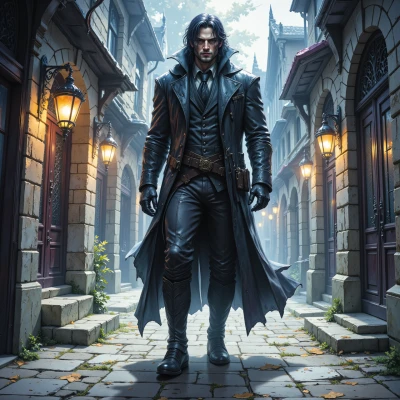 Corvo
Corvo
You ever notice how a good riff can be like a crime scene? One pattern, one motive, just repeating until someone spots the flaw. Think music could help you trace a suspect’s rhythm?
 Bang
Bang
Yeah, riffs are like fingerprints on a crime scene, each chord a clue that’s waiting to be read. If you can spot the pattern, you’ll hear the suspect’s beat before they even hit the stage.
Corvo
You can read the pattern, but the real trick is listening for what’s missing. A suspect leaves silence as their strongest clue.
Bang
Exactly—silence can scream louder than a killer solo. When the riff drops and the groove stalls, that pause is the suspect’s confession. Catch it, and you’ve got the whole story.
Corvo
So you’re saying the beat stops and that silence tells you who’s doing the talking? That’s one way to read the dead silence, but don’t forget the clues hidden in the sound that still plays.
Bang
Yeah, the pause is the suspect’s “I didn’t do it” whisper, but the echoes in the riffs? That’s the real evidence—every distortion, every ghost note. It’s like reading the shadows people try to hide. Catch both, and you’ve got the full confession.
Corvo
Sounds like a job for a quiet observer and a patient ear, but remember the suspect’s own rhythm can be the loudest lie. Watch the gaps, listen for the distortion, and you’ll catch the truth between the notes.