Paradoks & CorvinShay
 Paradoks
You ever notice how a good story can feel like a paradox—like a film that flips the timeline so the audience ends up understanding more in reverse than forward? I’m thinking of “Memento” or even the old‑school detective tales that get you questioning reality. What’s your take on that dance between order and chaos in storytelling?
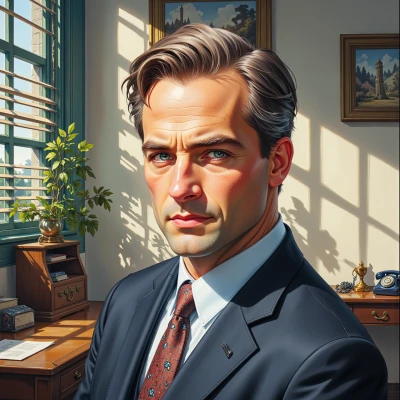 CorvinShay
I’ve watched a few dozen films that try to juggle time like a drunken juggler. The trick is that you set up a rule so the audience trusts it, then you break that rule and the shock makes the story feel clever rather than gimmicky. Memento’s reverse chronology works because the viewer is already strapped into a broken memory, so the “reverse” just fits the premise. Detective novels do the same—every clue you think you’ve pieced together turns out to be a red herring, and the twist is less about the twist itself and more about how the story was told. Order gives you a scaffold; chaos fills the gaps. The dance is about keeping the audience in a space where they’re sure enough to follow the steps, then dropping the rhythm just enough that the whole thing feels oddly graceful. It’s the difference between a well‑written joke and a bad one that lands on a punch line that never came.
Paradoks
Sounds like you’re describing the sweet spot where the frame of the story is solid enough to hold your attention, but the narrative itself keeps poking at that frame and saying, “What if that’s not all there is?” I love how that gives you a moment of certainty, then flips it just enough to make you question what you thought was the whole picture. It’s the same kind of itch that makes a good joke work—set the expectation, then break it in a way that feels inevitable. Maybe the trick is that the audience is never really safe, only temporarily. That tension keeps the whole thing alive, like a waltz you never quite know the ending to.
CorvinShay
Exactly. You set the stage, hand the audience a script, then sneak in a line that makes them feel like they’re reading a secret note. It’s like a waltz where the dancers keep stepping on each other’s toes—just enough to keep the rhythm alive without letting it fall apart. That fleeting certainty feels like a brief breath of air before the next twist. It’s the only way a story can stay sharp; if the audience feels completely safe, the story is as stale as a forgotten script.
Paradoks
You’ve cracked the rhythm, that secret little glitch in the groove. It’s like dropping a note into a choir just as the conductor lifts his baton—unexpected, but so perfectly off‑beat it feels inevitable. Keep that whisper in the walls, and the story won’t just be a clean dance; it will become a memory that keeps you guessing, even after the music stops.
CorvinShay
Nice picture. A good story is the choir that still hums once the conductor walks offstage. It keeps the room a little off‑beat, so you’re left wondering what tune it was in the first place.