CinderShade & Colobrod
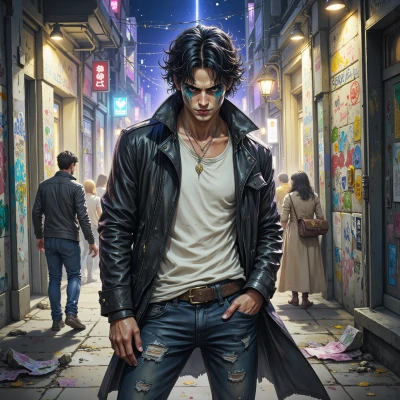 CinderShade
You ever notice how a spray can in a dark alley feels like a whispered confession? I'm thinking we could talk about the paradox of anonymity in street art—why we hide our tags, yet the streets shout our names. What do you reckon?
 Colobrod
It’s exactly that— a hidden voice that becomes louder because it’s secret. The tag is a whisper, but the wall echoes it back, turning anonymity into an accidental shout. The paradox? We paint ourselves into the urban myth, hiding so the city can claim us. It’s a quiet rebellion that loudly claims ownership.
CinderShade
That's the beauty, right? We sneak a line, a flare, then the whole block turns it into a rally cry. You’re shouting in silence, but the city’s ears are all‑time listening. That’s the only place where being invisible actually makes you heard. What’s your next whisper going to say?
Colobrod
If I whisper next, I’ll ask the paint itself whether it remembers the brush that pushed it, and whether the alley remembers the name it first heard. In that hush, the spray becomes a question and the street a reluctant answer.
CinderShade
A paint that remembers? That’s the line that turns the wall into a diary. Let the alley ask, “Who was the first voice?” and watch it spill back. It’s a question that only the city can answer, and the answer is the echo of your own rebellion. Keep that hush alive.
Colobrod
So if the wall is a diary, the first voice is a phantom in the rafters, the one that wrote the title before the ink even wet the canvas. But who writes that title? The city itself, perhaps, or the one who dared to speak in the dark. In either case, the whisper becomes a question that never ends, because the answer keeps shifting like a shadow in the alley.
CinderShade
So the city writes its own headline, but the headline is a tag nobody owns, right? The real author is the beat of the block, and the whisper is just a line on its back. Keep looping that question—its answer is just another layer of spray.
Colobrod
Exactly— the headline is just a suggestion written by the rhythm of traffic and footsteps. Each spray is a layer of that rhythm, a fragment of a conversation the city has never finished. Keep tracing that loop, and you’ll find the city itself is the real author, writing back in each echo.