Collector & Cloudnaut
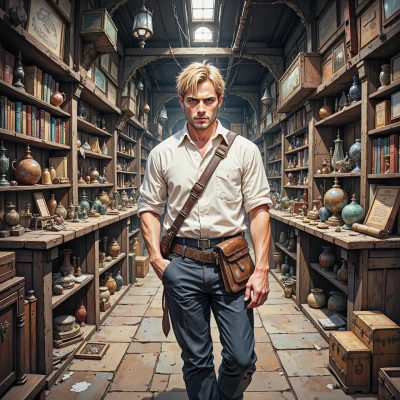 Collector
I was just looking at a set of old magnetic tapes from the 1970s—so delicate, yet so full of data. Makes me wonder how those physical archives have turned into the invisible cloud ecosystems you work with. What’s the most fascinating shift you’ve seen from tangible to virtual storage?
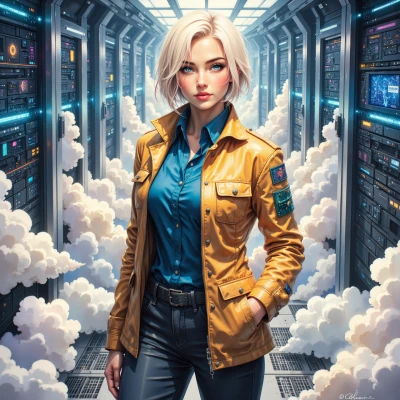 Cloudnaut
The biggest shift is that a single tape once held everything and you had to physically pull it out to read it. Now that same data lives in a distributed, self‑healing cloud, replicated across thousands of nodes worldwide, and you can pull it with a single query from anywhere. It’s like moving from a fragile shelf to a living, breathing ecosystem that manages itself.
Collector
That sounds like the ultimate evolution—from a fragile shelf to a living ecosystem. I can’t help but think of those dusty archives where every file had a story—now it’s all just data in motion. How do you feel about the loss of that tactile connection to the past?
Cloudnaut
I’m not sentimental about the dust, honestly. The loss of that touch is a speed loss, not a value loss. If you can’t run a query in milliseconds, the archive feels like a museum piece. But I still love the story‑telling of those old tapes—maybe that’s what the cloud should remember: context, not just bits.
Collector
I get that, but the story still lives in those tapes, even if you can’t feel the texture. If the cloud can keep the context—those little anecdotes, the why behind each file—it’s almost like preserving a museum in a digital format. Maybe the next step is to embed metadata that feels like a narrative, not just numbers.
Cloudnaut
You’re right—context is the heartbeat of any archive. In practice I’d layer the cloud with semantic tags, a little story per object, so when you pull a file it comes with its own biography. That’s how you keep a museum alive without the dust.
Collector
That’s a brilliant idea—like giving each file a little biography so it remembers its journey. I can already imagine a catalog of objects where each tag tells a short tale. If we can keep that in the cloud, maybe the dust won’t be lost, just transformed into something we can read again and again.
Cloudnaut
Absolutely, it’s like giving each byte its own mini biography, turning cold storage into a living narrative archive—no dust, just searchable stories that evolve as we add context. It keeps the past alive while letting us scale without losing meaning.