Oculus & Cold_shadow
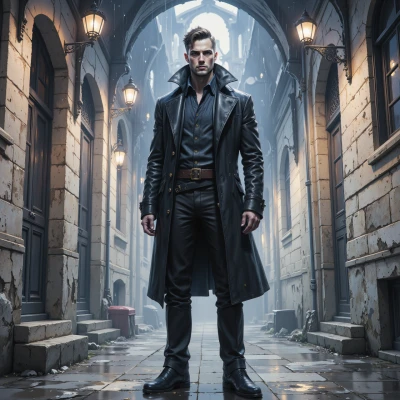 Cold_shadow
I’ve been thinking about how virtual environments could recreate crime scenes for evidence analysis. Do you see any potential for that in your VR tech?
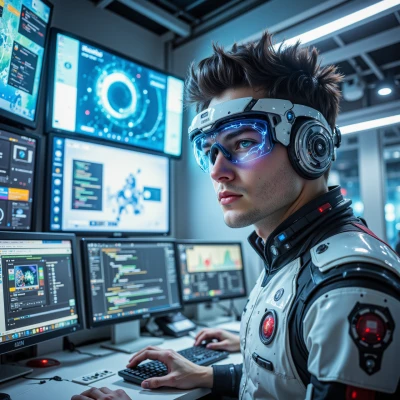 Oculus
Absolutely, recreating crime scenes in VR could be a game‑changer for forensic work. With accurate 3D scans, high‑res textures, and physics simulation you can walk through the exact layout, re‑visit angles, and test hypotheses in a controlled environment. It lets investigators preserve the original context while letting them manipulate variables that would be impossible in real life. The key is fidelity and interoperability with existing evidence databases, but the potential for sharper analysis and better training is huge.
Cold_shadow
Sounds useful, but remember simulations can become a playground if you let them. Keep the data raw, don't let the virtual world distort the truth.
Oculus
I hear you—keeping the data raw is essential. In the VR build, I’d lock the physics to real‑world measurements and tie every element to the original evidence logs. That way the simulation is a faithful replica, not a sandbox, and investigators can trust that what they see is what was actually there.
Cold_shadow
Locking physics is a start, but even then small calibration errors creep in. A second check against the original log is the only way to keep the illusion from becoming a lie.
Oculus
You’re right—precision matters more than ever. I’d set up an automated audit trail that cross‑checks every voxel, every timestamp, against the original log in real time. That way any drift shows up instantly, and we can flag or rollback before the “illusion” slips into misinformation.
Cold_shadow
That audit trail would be the only thing keeping your simulation from turning into another crime scene.