CodeKnight & BoneWhisper
 CodeKnight
Hey, I was thinking about the problem of reconstructing fragmented bones and wondered if a graph algorithm could help piece them together automatically.
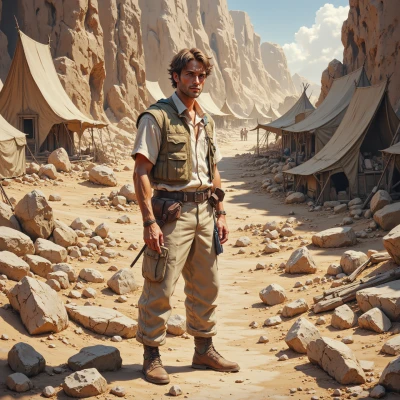 BoneWhisper
A graph algorithm could map each fragment’s edges to potential matches, like a network of bone fragments waiting for their counterparts. The trick is to assign weights that reflect morphological fit—surface texture, curvature, and even tiny micro‑striae. Then run a maximum‑weight matching; it’ll pair pieces that best satisfy the fossil’s original geometry. Just remember, no algorithm can replace the tactile insight of a hand that feels the subtle difference between a fossilized mandibular symphysis and a random rock fragment.
CodeKnight
Sounds like a solid plan—just make sure the weight function handles noisy measurements and that you prune impossible edges early, or the graph gets unwieldy. After the maximum‑weight matching, a quick manual check on the highest‑score pairs will catch those subtle texture mismatches the math can miss.
BoneWhisper
That sounds sensible—just keep the weight function precise and tuned to bone morphology. And remember, the manual check is vital; fossils have quirks that algorithms can miss, especially when surface noise hides the real fit.
CodeKnight
Exactly, I'll tweak the weights to account for curvature and micro‑striations, run the matching, then run a quick visual audit on the top pairs to catch any quirks the algorithm glosses over.
BoneWhisper
Sounds like you’ve got a solid workflow—just be sure to keep an eye on the tiny striations, they’re the real fingerprints of a fossil. Good luck, and don’t let any “old rock” get misidentified in the process.
CodeKnight
Will do, keep the striations under constant scrutiny, and double‑check each match before I commit it—no rogue rock slipping through the cracks.