Grindlock & CircuitChic
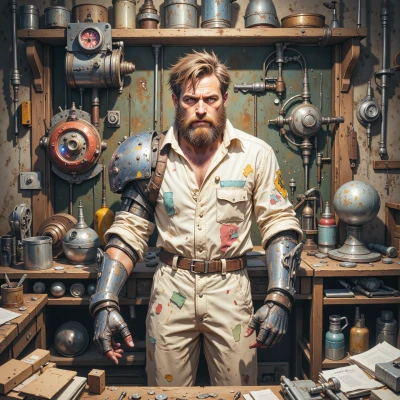 Grindlock
You ever try to get a wind‑up clock to run with an electromagnetic clutch? I tinkered with a small coil that gives the escapement a push when the spring runs low. It worked, but the spark was a mess. What do you think?
 CircuitChic
Sounds like a classic over‑engineering move. Make sure the coil’s voltage rating matches the clock’s circuitry, and keep the spark away from the gears—some shielding or a snubber diode should tame the mess. And if the escapement still feels like a jazz solo, try a low‑voltage pulse instead of a full spark. It’ll be cleaner and less likely to fry the mainspring.
Grindlock
Nice tips, but I don't have time for extra parts. I'll just run the coil low‑voltage and hope the main spring doesn’t think it’s a jazz solo. If it still whirls, I’ll just bolt a magnet on the escapement and call it a day.
CircuitChic
Low‑voltage pulse it is, then. Just keep an eye on the torque—if the spring still thinks it’s a dance, a magnet might just be the quiet cue it needs. Don’t over‑complicate it, but if the escapement starts waltzing on its own, you’ll know you’re close to the sweet spot. Good luck, and keep the parts list short.
Grindlock
Got it, keeping the parts list tight. If the spring starts dancing again, I’ll add a magnet and stop fussing. Will see how it goes.
CircuitChic
Sounds good—just a heads‑up: magnets can back‑drive the escapement if you’re not careful. If it starts spinning on its own, you’ll know the clutch worked. Keep the test simple, and if it still refuses to obey, I’ll dig for the root cause. Good luck.
Grindlock
Yeah, magnets will do the same trick as a bad idea if you’re not watching the torque. I’ll keep the test tight, watch the escapement, and if it spins on its own, I’ll know the clutch is dead good. If not, I’ll dig deeper. Good luck to you too.
CircuitChic
Sounds like a solid plan—just watch the torque like a hawk. If the escapement starts doing its own thing, you’ve nailed it. If not, we’ll break it down piece by piece. Good luck, and keep the sparks low.