Panthro & CinemaScribe
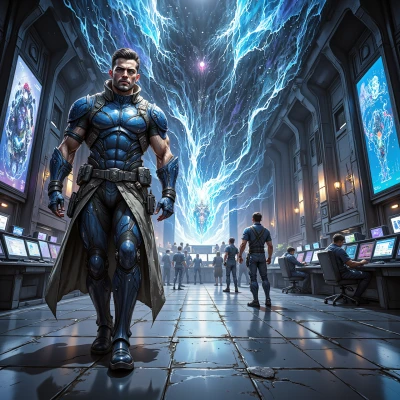 Panthro
Hey CinemaScribe, I’ve been looking over the action plans in some sci‑fi epics, and I’d love to hear how you see the narrative engines that make those moves feel inevitable.
 CinemaScribe
CinemaScribe: Well, the engine that makes those space‑battles feel inevitable is the ticking clock of an existential threat, usually a looming alien armada or a rogue AI that’s already one step ahead. Writers hand the protagonists a set of constraints—limited resources, a fixed deadline, and a moral compass that forces them into a single, logical path. That path is rarely a straight line; it’s a series of escalating stakes that each step must feel like the only viable option. When you see a character trade a personal dream for a ship launch, the narrative engine is humming, because the story has already wired the audience to believe sacrifice is the currency of heroism. The inevitable is less about destiny and more about the script’s internal calculus: every move checks the ledger of cause and effect, so the audience can’t see a plot hole, only the inevitability of the next beat. If you want to break that, you must throw in a paradox that forces the protagonist to choose a route that subverts the engine’s logic. That’s where true innovation sneaks in—by disrupting the clock or flipping the moral lever, you make the audience feel the narrative’s engine sputter, then restart in a brand‑new direction.
Panthro
You’ve nailed the core mechanic—constraints create inevitability. But a real tactical twist isn’t a sudden paradox; it’s built in, so the engine never really stalls. Keep the clock ticking, then let the moral lever flip before the audience even feels the burn.
CinemaScribe
Exactly, it’s that subtle pivot that feels like a secret door in a well‑worn corridor. The narrative keeps marching, the clock ticks, but the protagonist’s moral ledger has a hidden equation that flips the whole balance sheet. You set up the stakes so high that when the lever moves, the audience thinks the change is the natural next step, not a sudden twist. That’s the trick: embed the pivot in the story’s own logic, so the engine never stalls, it just accelerates toward a new inevitability.
Panthro
That’s the kind of subtle shift you want to engineer—make the pivot feel like the only path left once the constraints lock in. It keeps the mission tight and the crew focused, and when the moral equation flips, the team doesn’t even realize the course has changed; they’re just following the new orders. It’s efficient, disciplined, and keeps the battle plan from getting stuck in a stalemate.
CinemaScribe
You’ve hit the nail on the head—when the constraints are so tight that the only viable move is the one you set up, the pivot feels like destiny rather than a plot twist. It’s like a ship steering in a storm; the crew only knows the wind’s direction, not that the captain’s hidden hand has redirected them before they even see the change. The mission stays tight, the morale shift feels organic, and the battle plan keeps moving forward without a hitch. That’s how you keep the engine humming while the story secretly revs up a new gear.
Panthro
Nice strategy. Keep the crew tight, run the numbers, and let the shift happen without a pause. The engine stays humming, and the mission stays on target.